You Won’t Believe What Jakarta’s Hidden Nature Spots Look Like
When you think of Jakarta, towering skyscrapers and bustling streets probably come to mind—but what if I told you untouched greenery hides in plain sight? I was stunned to discover serene riverside trails, lush mangrove forests, and quiet island escapes just hours from the city center. This isn’t the Jakarta most tourists see, but it’s the one locals cherish. If you're craving nature without leaving the capital behind, you have to see what’s waiting just beneath the surface.
Rethinking Jakarta: Beyond the Urban Jungle
Jakarta is often labeled as Southeast Asia’s most densely populated metropolis, a sprawling network of highways, high-rises, and constant motion. With over 10 million residents within the city proper and more than 30 million in the greater metropolitan area, it's easy to assume that nature has been completely paved over. Yet beneath the surface of this urban colossus lies a surprisingly resilient network of green corridors, waterways, and coastal ecosystems that continue to thrive. These spaces are not just remnants of a forgotten past—they are actively protected, restored, and celebrated by communities who understand their value. Jakarta, it turns out, is not just concrete and chaos; it is also a city where nature persists, adapts, and even flourishes.
What makes Jakarta’s natural spaces so remarkable is their accessibility. Unlike remote national parks or distant mountain ranges, these green zones are woven into the fabric of everyday life. Families gather along riverbanks for weekend picnics, schoolchildren learn about mangroves during field trips, and office workers take early-morning walks through shaded urban parks. The coexistence of rapid urbanization and vibrant natural habitats reflects a growing awareness among city planners and citizens alike. Green infrastructure is no longer seen as an afterthought but as essential to Jakarta’s long-term sustainability. Flood mitigation, air purification, mental well-being—these benefits are increasingly recognized, prompting investment in restoration projects and public access initiatives.
Local voices play a crucial role in reshaping the narrative around Jakarta’s environment. Community-led clean-up drives along the Ciliwung River, youth education programs in Muara Angke, and homestay cooperatives on Pulau Tidung all point to a grassroots movement reclaiming nature as part of the city’s identity. These efforts challenge the stereotype of Jakarta as purely chaotic or polluted. Instead, they reveal a dynamic urban landscape where people are actively working to balance development with ecological stewardship. For travelers willing to look beyond the usual tourist paths, Jakarta offers something unexpected: a chance to experience nature not in isolation, but in harmony with city life.
Sungai Ciliwung: The City’s Beating Green Vein
Flowing through the heart of Jakarta for more than 100 kilometers, the Ciliwung River has long been both a lifeline and a symbol of urban neglect. Historically vital for agriculture and transportation, it became heavily polluted over decades due to industrial runoff, household waste, and encroaching settlements. But today, a quiet transformation is underway. Along its revitalized banks in neighborhoods like Tebet and Kalibata, concrete embankments have given way to landscaped promenades, native vegetation, and pedestrian-friendly walkways. What was once avoided is now embraced—a place where residents reconnect with water, wildlife, and each other.
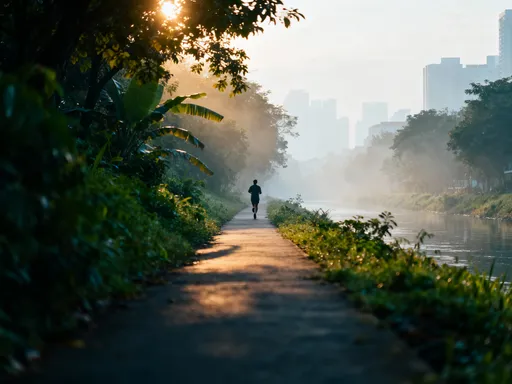
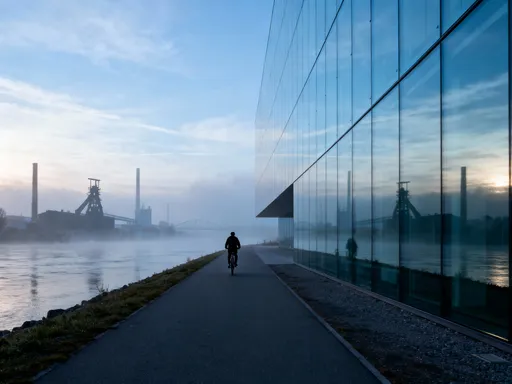
A morning stroll along the Tebet Eco Park reveals the sensory richness of this renewal. Mist rises gently from the slow-moving current, catching the first light of day. Kingfishers dart between overhanging branches, their sharp calls echoing above the soft rustle of reeds. Dragonflies hover above floating water hyacinths, while monitor lizards slip silently into the shallows. Joggers pass under canopies of taro and pandanus, and children peer into shallow pools searching for tadpoles. The air feels cooler here, filtered by layers of greenery that line both sides of the river. These small but meaningful changes reflect years of coordinated effort between government agencies, environmental NGOs, and local communities committed to restoring the river’s health.
One of the most impactful aspects of the Ciliwung’s revitalization is its role in flood prevention. Jakarta faces severe seasonal flooding, and the river’s degradation only worsened the problem. By widening natural channels, removing illegal structures, and reintroducing wetland plants that absorb excess water, engineers and ecologists have turned parts of the river into a functional sponge. This hybrid approach—combining engineering with ecology—demonstrates how urban rivers can serve dual purposes: as public spaces for recreation and as critical infrastructure for climate resilience. Educational signage along the trails explains these functions, helping visitors understand that beauty and utility are not mutually exclusive.
Community involvement remains central to the river’s future. Volunteer groups organize regular clean-up events, removing plastic waste and invasive species. Schools adopt sections of the riverbank for monitoring projects, teaching students about water quality, biodiversity, and civic responsibility. These initiatives foster a sense of ownership and pride, ensuring that the progress made is not easily reversed. For tourists, visiting the Ciliwung offers more than scenic views—it provides insight into how cities can heal damaged ecosystems while improving quality of life for millions.
Mangrove Paradise in Muara Angke
On the northern edge of Jakarta, where the city meets the Java Sea, lies one of its most ecologically significant yet underrated treasures: the Muara Angke Wildlife Reserve. Covering approximately 25 hectares, this protected mangrove forest stands as one of the last remaining coastal wetlands within the capital. Though modest in size, its impact is profound. The dense tangle of stilt roots, salt-tolerant leaves, and muddy tidal flats supports a surprising array of life, from mudskippers and fiddler crabs to migratory birds and monitor lizards. Boardwalks wind through the canopy, allowing visitors to observe this intricate ecosystem without disturbing its delicate balance.
Walking through Muara Angke at low tide is like stepping into another world. The scent of brackish water and decaying leaves fills the air. Tiny crabs scuttle across exposed mud, leaving intricate patterns in their wake. With patience, you might spot a purple heron stalking prey in a shallow pool or hear the distant call of a brahminy kite circling overhead. The mangroves themselves are marvels of adaptation—their aerial roots filter salt, stabilize sediment, and provide shelter for juvenile fish. This biodiversity hotspot may lack the drama of a rainforest or coral reef, but its quiet complexity tells a powerful story of survival in the face of urban pressure.
Beyond its biological value, Muara Angke plays a critical role in protecting Jakarta from environmental threats. Mangroves act as natural buffers against storm surges and coastal erosion, absorbing wave energy and reducing flood risks for nearby neighborhoods. They also trap pollutants and sequester carbon at rates far higher than most terrestrial forests. In a city grappling with rising sea levels and land subsidence, these services are invaluable. Recognizing this, conservationists have worked to expand and rehabilitate the reserve, planting thousands of new saplings and monitoring water quality regularly.
Education is a key component of Muara Angke’s mission. Guided tours led by local rangers introduce visitors to the functions of mangrove ecosystems and the dangers of habitat loss. Students from nearby schools participate in tree-planting activities, reinforcing environmental awareness from an early age. While the reserve does not offer luxury amenities, its simplicity enhances its authenticity. There are no souvenir shops or food stalls—just a small visitor center with informative displays and binoculars for birdwatching. This minimalism ensures that the focus remains on conservation, not commercialization. For those seeking a peaceful, meaningful connection with nature, Muara Angke delivers quietly but deeply.
Pulau Tidung: A Quick Escape to Island Serenity
Just 90 minutes by public ferry from North Jakarta lies a world apart—Pulau Tidung, a serene island in the Thousand Islands archipelago. Part of the Kepulauan Seribu National Park, this slender stretch of land offers white-sand beaches, swaying coconut palms, and waters so clear you can see parrotfish darting between coral heads. Unlike the crowded resorts of Bali or Lombok, Pulau Tidung retains a relaxed, unhurried rhythm. Most accommodations are simple homestays run by local families, meals consist of freshly caught seafood grilled over charcoal, and transportation means renting a bicycle to explore the island’s narrow paths.
The most iconic feature of Pulau Tidung is its sea bridge—a wooden walkway that extends over the turquoise shallows connecting the main island to Pulau Tidung Kecil. Walking across it at sunset is unforgettable. The sky blazes with orange and pink, the water shimmers beneath your feet, and the gentle lap of waves creates a soothing soundtrack. On the smaller island, a short trail leads to a quiet lookout point perfect for reflection or photography. Snorkeling opportunities abound just offshore, where coral gardens teem with angelfish, clownfish, and blue tangs. Visibility varies by season, but even on slightly cloudy days, the underwater scenery remains vibrant and accessible to beginners.
What makes Pulau Tidung particularly appealing is its balance between accessibility and authenticity. It’s close enough for a weekend getaway yet distant enough to feel like a true escape. The island’s economy relies heavily on sustainable tourism, with local cooperatives managing boat services, homestays, and guided excursions. This community-based model ensures that tourism benefits residents directly while encouraging responsible practices. Plastic waste is minimized, fishing follows seasonal bans to protect breeding cycles, and coral reefs are monitored for bleaching and damage.
Visitors are encouraged to respect local customs and environmental guidelines. Shoes are removed before entering homes, swimming is avoided near coral formations, and trash is carried back to designated collection points. These small acts of mindfulness contribute to the island’s long-term preservation. For families, couples, or solo travelers seeking tranquility without sacrificing convenience, Pulau Tidung exemplifies how nature-based tourism can be both enjoyable and ethical. It proves that paradise doesn’t require luxury resorts—just respect, simplicity, and a willingness to unplug.
Urban Oases: Parks That Breathe Life Into the City
Amid Jakarta’s relentless pace, green parks serve as vital sanctuaries for rest, recreation, and social connection. Two of the most beloved—Taman Suropati and Taman Menteng—are nestled in the Menteng district, a leafy enclave known for its colonial-era architecture and diplomatic residences. These parks, though modest in size, are meticulously maintained and heavily used by locals. Tall trees—including flame trees, banyans, and jacarandas—form a dense canopy that filters sunlight and cools the air. Benches line winding paths, fountains provide gentle background noise, and open lawns host morning yoga sessions, tai chi circles, and weekend picnics.
Taman Suropati, shaped like a triangle, is particularly popular for its artistic ambiance. Sculptures by Indonesian artists are scattered throughout, and musicians often gather to play gamelan or acoustic sets in the late afternoon. Parents push strollers along paved walkways while children climb on safe, nature-inspired playground equipment. The park’s design encourages passive engagement with nature—there are no loud attractions or commercial vendors, just space to breathe and observe. During rainy season, the scent of wet earth rises from flower beds filled with hibiscus and frangipani, adding another layer to the sensory experience.
Taman Menteng, slightly larger and more structured, features jogging tracks, outdoor fitness stations, and dedicated areas for sports like badminton and chess. Its central pond attracts kingfishers and egrets, and lotus flowers bloom in the warmer months. Both parks are illuminated at night, making them safe and inviting for evening walks. Security personnel patrol regularly, and community volunteers help maintain cleanliness. These spaces are more than decorative—they are functional lungs for the city, improving air quality and offering psychological relief from urban stress.
Research supports what residents already know: access to green spaces improves mental health, reduces anxiety, and strengthens community bonds. In a city where traffic congestion and pollution are daily challenges, parks like Suropati and Menteng provide measurable benefits. They are also inclusive—open to all, regardless of income or background. For tourists, a visit to these oases offers a glimpse into the everyday lives of Jakartans, revealing how nature is woven into routines far beyond weekend getaways. These urban refuges prove that even in the densest cities, greenery can thrive when prioritized and protected.
How to Experience Jakarta’s Nature Responsibly
Exploring Jakarta’s natural spaces comes with a responsibility to preserve them for future generations. The good news is that sustainable travel here is both practical and rewarding. Start by choosing eco-friendly transportation options. For the Ciliwung River trails, consider taking the TransJakarta bus or riding a bike-share to minimize emissions. To reach Muara Angke, use ride-hailing apps with carpool options or join organized group tours that consolidate transport. When heading to Pulau Tidung, opt for public ferries over private speedboats, which consume more fuel and disturb marine life.
Timing your visits wisely enhances both comfort and conservation. Mornings are ideal for river walks and mangrove tours, when temperatures are cooler and wildlife is most active. Avoid visiting during peak rainfall if flooding is expected, as some trails may close for safety. On the islands, the dry season—from April to October—offers the clearest waters and calmest seas, making it perfect for snorkeling and beach walks. Booking homestays in advance supports local economies and prevents overcrowding, which can strain resources like freshwater and waste management systems.
Pack light and sustainably. Bring reusable water bottles, biodegradable sunscreen, and cloth bags to reduce plastic waste. Never feed wildlife or remove natural materials like shells or coral fragments. Stick to marked trails and boardwalks to avoid damaging plant roots or disturbing animal habitats. If you’re snorkeling, maintain a safe distance from reefs and avoid touching or standing on them. These small actions collectively make a big difference in preserving fragile ecosystems.
Respect for local communities is equally important. Ask permission before photographing people, especially in homestays or fishing villages. Learn a few basic phrases in Bahasa Indonesia—simple greetings go a long way in building rapport. Support local businesses by eating at family-run warungs and purchasing handicrafts directly from artisans. By engaging mindfully, travelers contribute to a tourism model that values people and planet as much as profit.
Why These Landscapes Matter—For the City and Its People
The natural spaces of Jakarta are not mere luxuries—they are essential components of the city’s survival and soul. As climate change intensifies, their roles in flood control, temperature regulation, and carbon storage become increasingly critical. Mangroves buffer against rising tides, urban forests reduce the heat island effect, and wetlands purify polluted runoff. These ecosystems work silently but powerfully, providing services that would be astronomically expensive to replicate artificially. Protecting them is not just an environmental imperative; it is a matter of public safety and economic resilience.
Equally important is their cultural and emotional significance. For generations, Jakartans have gathered by rivers, played under trees, and vacationed on nearby islands. These traditions foster a deep connection to place, reinforcing identity and continuity in a rapidly changing world. Nature in Jakarta is not separate from daily life—it is interwoven with it, offering moments of peace, joy, and renewal. Whether it’s a grandmother teaching her grandchild to spot birds or a young professional finding clarity on a morning run, these experiences shape well-being in profound ways.
For visitors, embracing Jakarta’s hidden nature means rejecting outdated stereotypes. This is not a city devoid of greenery, nor is it beyond repair. It is a place of transformation, where communities are reclaiming their environment with determination and hope. By choosing to explore these spaces thoughtfully, travelers become part of that positive change. They help shift perceptions, support conservation, and inspire others to look deeper.
Jakarta invites you to see it anew—not as a concrete jungle, but as a living, breathing metropolis where nature persists against the odds. From the rustle of mangrove leaves to the sparkle of island waves, its quiet wonders await those willing to seek them. The next time you plan a trip to Indonesia’s capital, don’t just visit the malls and monuments. Step off the beaten path. Follow the riverbanks, walk the boardwalks, ride a bicycle across a sea bridge. Rediscover Jakarta as it truly is: a city where urban life and natural beauty coexist, one green breath at a time.