You Gotta Taste This: Cologne’s Food Scenes That’ll Blow Your Mind
Cologne isn’t just about the cathedral and carnival—its food culture is a journey in itself. Wandering through themed districts, I discovered how each neighborhood tells a story through flavor. From bold Kölsch beer pairings to spicy Turkish street food, the city blends tradition and innovation. This is more than eating—it’s experiencing Cologne, one bite at a time.
Why Food Defines Cologne’s Identity
Cologne’s culinary identity is deeply rooted in its Rhineland heritage, where hearty flavors, seasonal ingredients, and centuries-old traditions come together on every plate. More than just sustenance, food here is a celebration of community and continuity. The city’s location along the Rhine River has historically made it a hub for trade and agriculture, allowing access to fresh produce, river fish, and high-quality grains that form the backbone of regional dishes. This connection to the land shapes a cuisine that changes with the seasons—crisp asparagus in spring, rich game stews in winter, and fresh strawberries in early summer, always served with pride and simplicity.
Central to Cologne’s food culture is Kölsch, the city’s signature pale beer brewed exclusively within its borders. Unlike mass-produced lagers, Kölsch is fermented at cooler temperatures and filtered for clarity, resulting in a crisp, slightly fruity taste that complements the region’s robust cuisine. It is not just a drink but a symbol of local identity, often enjoyed in traditional brass or wooden trays called Kranz, which hold multiple small 200ml glasses. The ritual of serving Kölsch—delivered swiftly by waitstaff in white aprons who keep track of consumption using tally marks on paper coasters—reflects the city’s emphasis on conviviality and efficiency. Sharing a Kranz among friends is a social act, one that strengthens bonds over laughter and lively conversation.
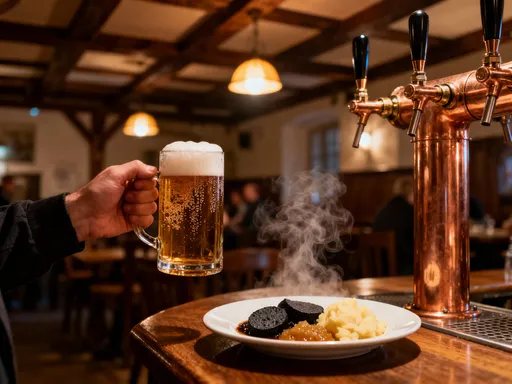
The integration of food and festivity further underscores Cologne’s cultural values. Seasonal markets, such as the Weihnachtsmarkt at the cathedral or the summer Altstadtfest, feature local specialties like roasted chestnuts, spiced wine, and hand-carved sausages. These events are not merely tourist attractions but living traditions where generations gather to celebrate shared history. Even everyday meals carry meaning—Himmel un Ääd (Heaven and Earth), a dish of mashed potatoes and apples topped with fried blood sausage, connects diners to rural farming roots. Through its food, Cologne tells the story of resilience, hospitality, and a deep respect for authenticity.
Altstadt: Where Tradition Meets the Table
The historic heart of Cologne, the Altstadt, is a maze of cobblestone streets, half-timbered buildings, and centuries-old breweries that serve as the epicenter of the city’s traditional cuisine. This district, nestled between the Rhine and the cathedral, offers an immersive experience where history and flavor intertwine. Visitors stepping into one of the many Brauhäuser—locally owned breweries that serve fresh Kölsch and home-style dishes—immediately feel part of a living tradition. These taverns are not themed restaurants for tourists; they are institutions where locals gather after work, on weekends, and during festivals to share meals and stories in a warm, unpretentious atmosphere.
Among the must-try dishes in the Altstadt is Reibekuchen, golden potato pancakes fried to perfection and typically served with applesauce or sour cream. Crispy on the outside and tender within, they are often enjoyed as a snack or appetizer, especially during colder months. Another staple is Halve Hahn, a deceptively simple sandwich made with a rye roll, aged Gouda cheese, onion rings, and mustard. Despite its name, which translates to “half a rooster,” it contains no poultry—its origins are linguistic rather than culinary, a nod to Cologne’s playful use of dialect. These dishes may seem modest, but their preparation is precise, relying on high-quality ingredients and time-honored techniques passed down through generations.
Dining in a Brauhäus comes with its own set of customs. Servers, known as Köbes, wear blue uniforms and move swiftly between tables, replacing empty glasses before guests even notice they’re gone. The service style is efficient but never cold—there’s a rhythm to the experience, a balance between attentiveness and allowing diners to linger. Menus are straightforward, often handwritten or posted on chalkboards, focusing on regional specialties rather than international fusion. This authenticity is precisely what draws both residents and travelers seeking a genuine taste of Cologne. Even the architecture contributes to the ambiance: low wooden beams, communal tables, and walls adorned with brewery memorabilia create a sense of timelessness, where every meal feels like a continuation of a long-standing tradition.
Belgisches Viertel: Boho Bites and Global Flavors
Just a short walk from the bustling city center lies Belgisches Viertel, a neighborhood that pulses with creative energy and culinary diversity. Once a quiet residential area, it has evolved into one of Cologne’s most dynamic food destinations, attracting young professionals, artists, and food enthusiasts eager to explore innovative dining concepts. The streets here—lined with independent boutiques, bookshops, and street art—set the stage for a food scene that values sustainability, inclusivity, and bold experimentation. Unlike the historic taverns of the Altstadt, restaurants and cafes in Belgisches Viertel often prioritize plant-based ingredients, global influences, and minimalist design, reflecting a modern sensibility that still honors local roots.
Vegan and vegetarian dining thrives in this district, with establishments offering everything from jackfruit tacos to cashew-based cheeses and house-made tempeh. One popular spot serves a seasonal tasting menu that changes weekly, using produce sourced from nearby organic farms. Another café specializes in zero-waste baking, turning surplus fruit into vibrant tarts and transforming spent grain from local breweries into bread. These initiatives resonate deeply with residents who care about environmental impact and ethical consumption. At the same time, the neighborhood embraces global flavors—Ethiopian spice blends, Korean gochujang, and Middle Eastern za’atar appear on menus alongside Rhineland classics, creating a culinary dialogue between continents.
What sets Belgisches Viertel apart is the role of young chefs in reshaping Cologne’s gastronomic identity. Trained in classical kitchens but inspired by world travel and digital food culture, they blend technique with imagination. A former fine-dining chef might open a tiny open-kitchen restaurant serving handmade pasta with foraged herbs, while another transforms a former garage into a natural wine bar with a rotating menu of small plates. These spaces are intimate, often seating fewer than 30 guests, fostering a sense of connection between cook and diner. The result is a food scene that feels personal, evolving, and deeply attuned to contemporary values—slower food, mindful eating, and community-driven experiences.
Türkischer Markt & Ehrenfeld: A Spice-Lover’s Paradise
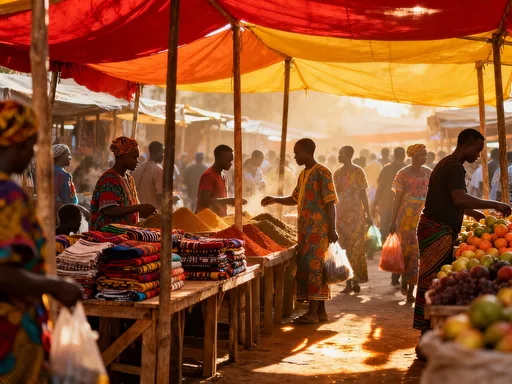
Nestled in the vibrant district of Ehrenfeld, the Türkischer Markt is more than a marketplace—it is a sensory explosion of color, aroma, and sound. Open several days a week, this bustling bazaar draws people from all walks of life, united by a love of bold flavors and fresh ingredients. Stalls overflow with pomegranates, sumac, fresh mint, and mountains of olives, while the air carries the smoky scent of grilling meat and baking flatbreads. This area, shaped by decades of migration and cultural exchange, stands as a testament to Cologne’s openness and diversity. Turkish, Arab, Kurdish, and North African communities have made Ehrenfeld their home, transforming it into a culinary crossroads where traditional recipes meet local tastes.
Street food is the star here, with döner kebab reigning supreme. But the version served in Ehrenfeld is far from the fast-food iteration found elsewhere—slow-roasted lamb or chicken is shaved onto freshly baked pide bread, then layered with crisp vegetables, house-made sauces, and a sprinkle of chili flakes. Other highlights include borek, flaky pastries filled with cheese, spinach, or minced meat, and lahmacun, thin dough topped with spiced meat and herbs, baked until crisp. These dishes are affordable, satisfying, and bursting with flavor, making them favorites among students, workers, and families alike. Many vendors have operated for decades, building loyal followings through consistency and quality.
Beyond the market itself, Ehrenfeld’s side streets hide gems like family-run bakeries offering gözleme (stuffed flatbreads) and dessert shops serving baklava soaked in honey syrup. Some restaurants specialize in regional specialties, such as Turkish meze platters or Syrian lentil soups, allowing visitors to explore the breadth of Middle Eastern cuisine. What makes this neighborhood truly special is its authenticity—there is no performative exoticism, no attempt to cater to tourist expectations. Instead, dining here feels like being welcomed into a community where food is an expression of care, heritage, and generosity. For travelers seeking real, unfiltered experiences, Ehrenfeld offers a powerful reminder that some of the best meals are found not in guidebooks, but in the everyday rhythms of city life.
Sülz and Zülpicher Straße: Local Life on a Plate
Further west along Zülpicher Straße, the neighborhoods of Sülz and Lindenthal offer a quieter, more residential glimpse into Cologne’s food culture. Here, away from the tourist crowds, locals shop at independent grocers, sip coffee in sunlit cafes, and gather in cozy wine bars that reflect a slower, more deliberate approach to dining. Zülpicher Straße itself is a lively artery lined with bookstores, florists, and eateries that cater to a neighborhood crowd—students from the nearby university, young families, and long-time residents who value quality over spectacle. This stretch of the city embodies a balance between urban convenience and village-like charm, where food is woven into the fabric of daily life.
Bakeries in Sülz take pride in their craft, offering sourdough loaves, seasonal fruit tarts, and traditional German pastries like Berliner Pfannkuchen and Streuselkuchen. Many use organic flour and natural leavening, reflecting a growing preference for artisanal methods over industrial production. Breakfast might consist of a fresh roll with homemade quark and herb spread, enjoyed at a sidewalk table with a view of blooming window boxes. Lunch options range from hearty soups at a family-run café to wood-fired pizzas at a pizzeria that sources tomatoes from Italy and mozzarella from local dairies. The emphasis is on freshness, simplicity, and seasonality—values that resonate with a community that prioritizes well-being and sustainability.
Wine bars have also flourished in this area, offering curated selections from German vineyards along the Rhine and Mosel, as well as small-batch producers from Austria and France. These venues often double as cultural spaces, hosting poetry readings, live music, or art exhibitions, reinforcing the idea that dining is not just about eating but about connection. Some restaurants follow a farm-to-table model, partnering with regional farmers to serve dishes like roasted beetroot with goat cheese, wild mushroom risotto, or pan-seared trout from nearby rivers. Portions are modest but thoughtfully composed, encouraging mindful enjoyment rather than excess. For visitors willing to venture beyond the center, Sülz and Zülpicher Straße reveal a side of Cologne that is unassuming yet deeply rewarding—a place where food is not a performance, but a daily ritual of care and connection.
Practical Tips for Eating Like a Cologne Insider
To truly experience Cologne’s food scene, timing and awareness of local customs can make all the difference. Many popular Brauhäuser in the Altstadt fill up quickly, especially on weekends and during carnival season. Arriving before 7 p.m. or opting for a mid-afternoon meal increases the chances of securing a table without a long wait. Similarly, the Türkischer Markt is busiest on Saturdays, so visiting earlier in the day ensures access to the freshest produce and shortest lines. For those exploring multiple neighborhoods, Cologne’s public transportation system—comprising buses, trams, and a reliable S-Bahn network—makes it easy to move between districts without relying on a car. Most central locations are within a 15- to 20-minute ride from one another, allowing for a relaxed, hop-on-hop-off dining itinerary.
Understanding local dining etiquette enhances the experience. In traditional breweries, it is customary to let servers manage the flow of Kölsch—refusing a new glass by placing a coaster over your current one signals you’ve had enough. Tipping is appreciated but not excessive; rounding up the bill or leaving 5 to 10 percent is standard. Menus in older establishments may be limited, but this is by design—fewer choices mean greater focus on quality and freshness. In newer, multicultural restaurants, especially in Belgisches Viertel and Ehrenfeld, menus may be more extensive and include English translations, making navigation easier for international visitors.
Beer sizes also vary by setting. In Brauhäuser, Kölsch is served in 200ml glasses, encouraging frequent refills and social interaction. At wine bars or casual cafes, beer may come in 300ml or 500ml servings. When in doubt, asking for a “kleines Bier” (small beer) or “großes Bier” (large beer) helps clarify expectations. Finally, embracing a flexible schedule allows for spontaneous discoveries—stumbling upon a weekly farmers’ market, joining a neighborhood wine tasting, or accepting a local’s recommendation can lead to some of the most memorable meals. The key is to move at the city’s pace: unhurried, curious, and open to connection.
Beyond the Plate: How Food Connects You to the City
In Cologne, every meal is an invitation to connect—not just with food, but with people, history, and place. Whether sharing a Kranz of Kölsch in a crowded Brauhäus or accepting a sample of warm borek from a vendor at the Türkischer Markt, these moments foster a sense of belonging. The city’s hospitality is not performative; it is woven into everyday interactions, from the server who remembers your usual order to the baker who hands you a free slice of cake “just because.” These small gestures reflect a culture that values warmth, generosity, and human contact—qualities that shine brightest around the table.
Food also serves as a bridge between past and present, allowing visitors to engage with Cologne’s identity in a tangible way. Eating Himmel un Ääd is not merely tasting apples and potatoes—it is participating in a centuries-old tradition that honors the region’s agricultural roots. Sipping a glass of dry Riesling from the Mosel Valley connects you to a winemaking legacy that spans generations. Even modern innovations, like vegan reinterpretations of classic dishes, are rooted in a respect for ingredients and craftsmanship. In this way, Cologne’s cuisine is both evolving and enduring—a living dialogue between tradition and change.
For travelers, slowing down to savor these experiences transforms a simple visit into a meaningful journey. Putting away the phone, asking questions, and allowing time for conversation opens doors that no guidebook can. It is in these moments—laughing over a spilled glass of beer, sharing a platter of grilled vegetables at a communal table, or learning the story behind a family recipe—that the true spirit of Cologne is revealed. The city does not demand grand gestures; it rewards presence, curiosity, and an open heart. By eating like a local, visitors do more than enjoy a meal—they become part of the story.
Cologne’s themed food districts offer more than meals—they offer meaning. Each neighborhood invites you to taste its soul, whether through a frothy glass of Kölsch or a warm, spicy wrap from a market stall. This city proves that the best way to know a place is to eat your way through it. So come hungry, stay curious, and let Cologne feed your journey.