You Won’t Believe What Dili’s Culture Reveals From These Viewpoints
Dili, the quiet capital of East Timor, isn’t on every traveler’s radar—but it should be. From hilltop vistas to coastal traditions, every viewpoint here tells a story. I didn’t expect to feel so connected to a place so untouched by mass tourism. The culture isn’t just visible—it’s alive in the breeze, the chants, the colors. This is more than sightseeing; it’s soul-stirring. In a world where destinations often feel curated for cameras, Dili offers something rare: authenticity that doesn’t perform, but simply is. Here, culture isn’t preserved behind glass—it unfolds in daily rhythms, in quiet gestures, in the resilience of a people shaped by history and hope.
Arriving in Dili: First Impressions That Defy Expectations
Dili greets visitors not with grand monuments or bustling terminals, but with a gentle rhythm that slows the pulse. The airport is modest, the roads unhurried, and the air carries a mix of salt, eucalyptus, and woodsmoke. As you enter the city along Avenida Nicolau Lobato, the main artery of Dili, colonial-era buildings with weathered facades stand beside brightly painted markets and modest government offices. Some structures still bear the scars of past unrest, yet they are not abandoned—they are repurposed, rebuilt, lived in. This is a city that has known hardship but chooses resilience, a theme that echoes throughout East Timor’s recent history.
What strikes most upon arrival is the warmth of human connection. Locals greet passersby with a smile, a nod, or a soft "bom dia" even if they don’t know you. Children wave from doorways, elders sit beneath shaded verandas observing the day unfold. Street vendors sell fresh mangoes, grilled corn, and handmade brooms, their voices blending into a soft urban hum. There is no aggressive tourism infrastructure here—no touts, no inflated prices, no forced interactions. Instead, engagement happens organically, born of genuine curiosity and mutual respect.
This atmosphere sets the stage for deeper cultural discovery. Unlike cities that cater to tourist expectations, Dili does not perform. Its authenticity is not a selling point—it is simply the way of life. For travelers accustomed to highly structured itineraries, this can feel disorienting at first. But with time, the lack of rigid schedules becomes a gift. It invites you to slow down, to wander without destination, to listen more than you speak. In this stillness, the true texture of Timorese culture begins to emerge—not in grand gestures, but in the quiet dignity of everyday life.
Cristo Rei: A View That Bridges Faith and History
Rising above the coastline on a small peninsula, the Cristo Rei statue stands as one of Dili’s most iconic landmarks. Modeled after its more famous counterpart in Rio de Janeiro, this 27-meter-tall figure of Christ with outstretched arms overlooks the shimmering waters of the Wetar Strait. The journey to the top—whether by foot along a winding path or by vehicle to the base—becomes a quiet pilgrimage. Along the way, stone stations depict the Stations of the Cross, each one a pause for reflection, not only on faith but on the nation’s journey toward peace and self-determination.
The statue itself was gifted by Indonesia during its occupation of East Timor, a complex chapter in the country’s history. Yet today, it is not seen as a symbol of past oppression, but rather as a monument reclaimed by the people. Locals visit not out of obligation, but out of devotion. On weekends and religious holidays, families gather at the base, children climb the surrounding rocks, and couples take in the panoramic view. The statue has become part of Dili’s spiritual landscape, transcending its origins to represent hope and protection.
From the summit, the vista is breathtaking. To the north, the ocean stretches endlessly, its turquoise hues deepening into cobalt. To the south, the city unfolds in a patchwork of red-tiled roofs, palm trees, and distant mountain ridges. Fishing boats dot the coastline, and the occasional outrigger canoe glides near the shore. But the view is more than scenic—it is symbolic. It connects geography with identity. You begin to understand how this small nation, surrounded by vast waters, has held onto its culture through isolation, struggle, and perseverance. The breeze carries the sound of waves and distant church bells, and for a moment, time seems to stand still. Here, at this crossroads of faith and history, perspective shifts. You are not just seeing Dili—you are feeling it.
Tibar Beach Lookout: Where Daily Life Meets Natural Beauty
A short drive west of central Dili, Tibar Beach offers a vantage point that reveals the quiet poetry of Timorese coastal life. Perched on a low bluff, the lookout provides an unobstructed view of a crescent-shaped bay where turquoise waters meet golden sand. Unlike commercialized beach destinations, Tibar remains untouched by resorts or boardwalks. There are no sun loungers, no loud music, no souvenir stalls. Instead, life unfolds in its most natural form—fishing boats pulled ashore, women weaving mats under palm trees, children chasing each other through the shallows.
At dawn, the beach comes alive with activity. Fishermen push their colorful wooden canoes into the surf, their silhouettes sharp against the rising sun. Nets are spread out to dry, glistening with salt and morning dew. Some mend their gear while others prepare for the next trip, their movements deliberate and practiced. This is not tourism; it is sustenance. The ocean is not a backdrop—it is a provider, a teacher, a constant in a world of change.
From above, the cultural rhythm becomes visible. You notice how generations interact—elders offering quiet guidance, young men learning the tides, children mimicking their fathers’ gestures. Women sit in groups, weaving tais cloth or shelling crabs, their conversations punctuated by laughter. The beach is not a place of escape, but of continuity. It is where tradition is lived, not performed. There are no staged photo ops, no cultural shows for visitors. Yet, in this simplicity, there is profound authenticity. Tibar Beach does not try to impress—it simply exists, and in doing so, it reveals more about Timorese values than any museum exhibit ever could.
For travelers seeking real connection, this quiet spot offers a rare gift: the chance to observe without intrusion. You can watch from a distance, respectful and unobtrusive, or if invited, engage in brief, meaningful exchanges. A shared smile, a nod of acknowledgment—these small gestures build bridges. Tibar reminds us that the most powerful cultural experiences are often the quietest, the ones that unfold without fanfare, rooted in dignity and daily practice.
Motael Church and the Pulse of Community
Located at the heart of Dili, Motael Church stands as one of the city’s oldest and most historically significant religious sites. Built during the Portuguese colonial era, its white façade and twin bell towers rise modestly above the surrounding neighborhood. The church has witnessed pivotal moments in East Timor’s history, including protests during the independence movement. Yet today, it functions not as a monument to the past, but as a living center of community life. On Sundays, the grounds come alive with families in their finest clothes, children clutching hymnals, and elders walking slowly up the stone path.
Attending a service here is not about spectacle—it is about presence. The Mass is conducted in Tetum, the national language, with hymns sung in rich, harmonious voices. The music, often accompanied by guitar or hand percussion, carries a deep emotional resonance. There is no need for translation to feel its impact. The collective act of singing, praying, and sharing silence creates a palpable sense of unity. It is in these moments that the role of faith in cultural continuity becomes clear. Religion here is not separate from daily life—it is woven into its fabric, offering strength, comfort, and identity.
Outside the church, the sense of community deepens. After Mass, families gather under trees, sharing food and stories. Teenagers laugh together, elders exchange news, and small children run freely across the courtyard. The churchyard becomes a social hub, a place where relationships are nurtured and traditions passed down. Conversations often turn to village life, agricultural cycles, and family histories—topics that anchor people to their roots.
Even on weekdays, the church exudes a quiet energy. Pilgrims light candles, couples pray for blessings, and individuals sit in silent reflection. There is no pressure, no performance—only space for personal and collective meaning. For visitors, standing near Motael Church offers a rare opportunity to witness the pulse of Timorese society. It is not defined by grand institutions, but by the everyday acts of coming together, of remembering, of belonging. In a world where communities are increasingly fragmented, Dili’s church life stands as a quiet testament to the enduring power of shared belief and mutual care.
Taibesse Market: A Ground-Level Cultural Vantage Point
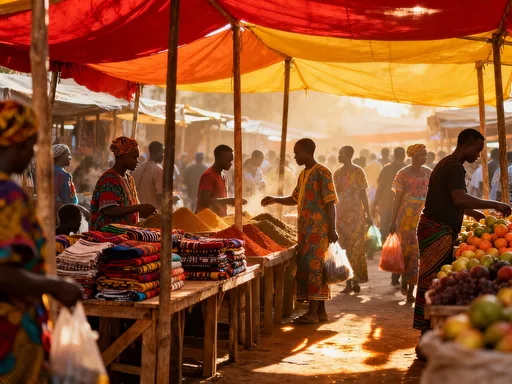
If Cristo Rei offers a view from above, Taibesse Market provides insight from the ground up. Located just outside central Dili, this bustling marketplace is where the city’s cultural heartbeat is most audible. Rows of stalls stretch under sun-bleached tarps, offering everything from fresh produce to handwoven textiles. The air is thick with the scent of ripe papayas, grilled fish, and clove-scented coffee. Vendors call out prices in Tetum and Portuguese, their voices rising and falling like a familiar melody. This is not a market designed for tourists—it is where locals shop, socialize, and sustain their livelihoods.
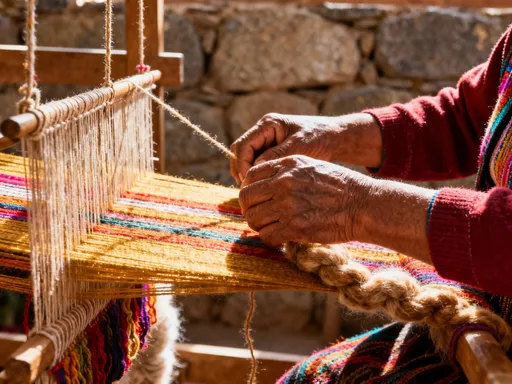
One of the most striking features of Taibesse is the abundance of tais cloth. Woven in intricate patterns unique to different regions of East Timor, these textiles are more than decorative—they are symbols of identity, heritage, and artistry. Each design tells a story, whether of ancestral lineage, natural elements, or spiritual beliefs. Women sit at small tables, demonstrating the weaving process with wooden looms, their fingers moving with practiced precision. Visitors are often welcomed to observe, ask questions, and even try their hand at a few threads. These interactions, though brief, create moments of genuine connection.
Conversations with vendors reveal deeper layers of cultural pride. Many speak of tais as a family tradition passed from mother to daughter. Others explain how patterns vary by village, serving as visual markers of origin. The market also offers locally grown coffee, hand-carved wooden utensils, and medicinal plants used in traditional healing. These items are not exotic souvenirs—they are part of everyday life, valued for their utility and meaning.
Taibesse Market is unfiltered, uncurated, and unforgettable. It does not sanitize culture for outside consumption. Instead, it presents it in its full complexity—noisily, vibrantly, honestly. For travelers, walking through its aisles is an act of immersion. You learn not by reading plaques, but by listening, observing, and participating. In this space, culture is not something to be consumed—it is something to be experienced, respected, and remembered.
Cultural Viewpoints Beyond the City: Day Trips That Deepen Understanding
While Dili offers rich cultural insights, venturing beyond the capital reveals even deeper dimensions of Timorese life. Short day trips to nearby villages provide a window into traditions that have remained largely unchanged for generations. These journeys are not about ticking off attractions, but about slowing down and witnessing how culture thrives in rural settings. In villages like Maubisse, Aileu, and Railaco, daily life revolves around agriculture, craftsmanship, and communal rituals that reinforce social bonds.
In these communities, traditional ceremonies are still practiced with reverence. One might witness a *tara bandu*, a customary ritual that invokes ancestral blessings for harvests, peace, or protection. Elders lead chants in ancient dialects, while dancers in vibrant costumes move in synchronized patterns. These performances are not staged for tourists—they are acts of cultural preservation, passed down orally and through practice. Visitors are often welcomed as respectful observers, their presence acknowledged with quiet hospitality.
Oral storytelling remains a vital tradition in rural East Timor. In shaded courtyards or under banyan trees, elders recount myths, historical events, and moral lessons. These stories are not mere entertainment—they are tools for teaching values, reinforcing identity, and maintaining intergenerational connection. For outsiders, listening to these narratives is a humbling experience, a reminder that knowledge can exist outside written records.
Distance from Dili sharpens appreciation for cultural resilience. In the highlands, where electricity is limited and roads are rough, traditions endure not out of nostalgia, but out of necessity and pride. Handwoven textiles, fermented foods, and communal farming practices are not relics—they are living systems of survival and meaning. These day trips do more than expand geographic understanding—they deepen emotional and cultural awareness. They challenge the notion that progress must mean modernization, and instead highlight the value of continuity, sustainability, and community-centered life.
Why These Viewpoints Matter: Travel That Transforms Perspective
The viewpoints of Dili—whether physical, cultural, or emotional—are not merely places to visit. They are invitations to see differently. Each one offers a lens through which to understand a nation shaped by resilience, faith, and deep-rooted traditions. In a travel culture often driven by checklists and photo opportunities, Dili encourages a slower, more reflective approach. It asks not what you can take from the experience, but what you are willing to receive.
Physical vantage points—like the summit of Cristo Rei or the bluff above Tibar Beach—do more than provide scenic beauty. They create space for introspection. From above, the chaos of daily life recedes, and patterns emerge. You begin to see how geography shapes culture, how history informs identity, and how small acts of community build enduring strength. These views do not offer answers—they offer perspective. And in that shift, transformation begins.
Equally important is the act of slowing down. In Dili, there is no rush. Schedules are flexible, conversations are unhurried, and hospitality is given freely. This pace allows for deeper observation. You notice the way a grandmother adjusts her granddaughter’s headwrap, the way fishermen share stories while mending nets, the way a church bell signals not just time, but belonging. These details are easily missed in faster-paced destinations, yet they hold the essence of culture.
Ultimately, travel to places like Dili is not about collecting experiences, but about cultivating understanding. It is about recognizing that every community has its own rhythm, its own wisdom, its own way of being in the world. Mindful travel means approaching these differences with humility, curiosity, and respect. It means valuing depth over convenience, connection over consumption. In a world increasingly defined by speed and sameness, Dili stands as a quiet reminder of what we risk losing—and what we can still choose to protect.
Dili doesn’t shout for attention—but it speaks with profound quiet strength. Each viewpoint offers more than scenery; it delivers understanding. In a world rushing to the next destination, East Timor invites us to pause, observe, and connect. The real journey isn’t just across miles—it’s inward.