You Gotta Try These Halifax Hidden Gems
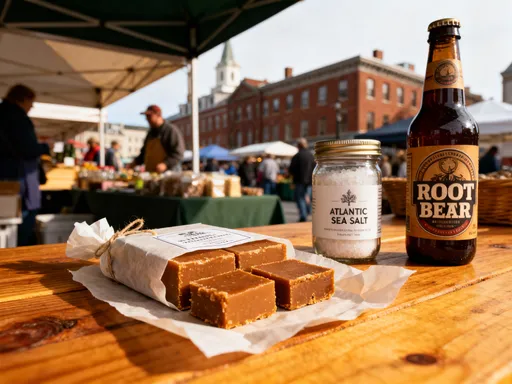
Halifax, Canada, isn’t just about stunning coastlines and maritime history—its local specialty products will genuinely blow you away. From handcrafted fudge that melts in your mouth to small-batch sea salt harvested from the Atlantic, I was shocked by how much flavor this vibrant city packs. If you're planning a visit, trust me—these authentic, locally-made treasures are the souvenirs worth seeking out. More than trinkets or generic keepsakes, they carry the spirit of Nova Scotia: resilient, warm, and deeply rooted in nature and tradition. For travelers who value quality, authenticity, and meaningful connections, Halifax’s hidden gems offer a sensory journey you won’t forget.
Introduction to Halifax’s Unique Local Flavors
Halifax is often celebrated for its bold ocean vistas, historic forts, and lively waterfront, but beneath the surface of this maritime capital lies a quietly flourishing culture of craftsmanship and local production. What sets Halifax apart is not just its scenic beauty, but the way its people have turned regional resources—cold Atlantic waters, fertile coastal soil, and generations of artisanal knowledge—into high-quality, handcrafted goods. These specialty products are not mass-produced; they are made with intention, care, and a deep respect for place. Travelers today are increasingly drawn to experiences that feel real and rooted, and nothing embodies this more than bringing home something made locally, with love.
The city’s culinary and craft scene has evolved into a reflection of its identity—coastal, community-driven, and quietly innovative. From family-run confectioneries to small-batch beverage makers, the emphasis is on quality ingredients and traditional techniques. This isn’t about trends; it’s about continuity. Many of these artisans come from multigenerational lines of fishermen, farmers, and makers who have long relied on the sea and land for sustenance. Now, they’re sharing that heritage with visitors through products that tell a story—one of resilience, seasonality, and pride.
For the thoughtful traveler, especially those who appreciate authenticity over convenience, these local specialties offer a deeper connection to the destination. They’re not just souvenirs—they’re edible memories, tactile keepsakes, and gifts that carry meaning. Whether it’s a jar of sea salt crystallized from Atlantic spray or a hand-knit wool sweater built to withstand coastal winds, each item is a tribute to Halifax’s unique environment and spirit. And as more people seek travel experiences that are sustainable and community-supportive, these small-scale producers are gaining well-deserved recognition.
The Sweet Side of the City: Artisanal Fudge and Toffee
One of the most delightful discoveries in Halifax is its thriving scene of artisanal confections, where sugar, butter, and creativity come together in perfect harmony. Unlike mass-produced candies found in chain stores, the city’s handmade fudge and toffee are crafted in small batches, often using family recipes passed down through decades. These sweets are not just treats—they’re edible heirlooms, rich with nostalgia and flavor. The texture alone is a revelation: smooth, creamy, and slow-melting, with a richness that lingers on the palate without overwhelming it.
Among the most celebrated varieties are salted caramel, rum raisin, and maple walnut—each a tribute to the region’s natural bounty. Salted caramel fudge, for instance, strikes a perfect balance between sweet and savory, with a hint of sea salt that subtly echoes the Atlantic air. Rum raisin offers a deeper, spiced warmth, ideal for cooler evenings, while maple walnut celebrates Canada’s iconic syrup in a buttery, nutty form. These flavors aren’t chosen at random; they reflect the ingredients available in Nova Scotia and the preferences of locals who value bold yet balanced tastes.
For the best experience, head to family-run shops in the Historic Properties district, a row of restored 19th-century warehouses along the waterfront. Here, small storefronts with chalkboard signs and glass display cases offer fudge cut to order, still slightly warm from the batch. The scent of caramelized sugar and vanilla fills the air, drawing in passersby like a siren’s call. Many of these shops use locally sourced butter and cream, ensuring freshness and supporting regional dairies. Some even offer samples, allowing visitors to taste before they buy—a small but meaningful gesture that enhances the shopping experience.
What makes these confections truly special is not just their taste, but the care behind them. Artisanal fudge requires patience and precision: sugar must be cooked to the exact temperature, stirred at the right moment, and cooled slowly to achieve the ideal texture. It’s a labor of love, and that dedication shows in every bite. For travelers, especially those shopping for gifts, these sweets make excellent presents—individually wrapped, beautifully boxed, and shelf-stable for weeks. More than just candy, they’re a sweet reminder of a place where craftsmanship still matters.
Ocean-to-Table Treasures: Atlantic Sea Salts and Sauces
If Halifax’s confections delight the sweet tooth, its savory offerings speak directly to the soul of the coast. Among the most unique local products are artisanal sea salts and seafood seasonings, all born from the cold, pristine waters of the Atlantic Ocean. These aren’t ordinary seasonings—they’re culinary artifacts, shaped by tides, wind, and generations of maritime tradition. The process begins with seawater, carefully collected from clean, remote inlets and slowly evaporated using solar or low-energy methods to preserve its natural mineral content. The result is flaky, crystalline salt with a delicate brininess that enhances, rather than overpowers, food.
These small-batch sea salts are prized by chefs and home cooks alike for their complexity. Unlike table salt, which is heavily processed and stripped of minerals, artisanal sea salt retains trace elements like magnesium and potassium, contributing to a richer, more nuanced flavor. Some varieties are infused with local ingredients—dill from coastal gardens, lemon zest from farmers’ markets, or even kelp harvested by hand from rocky shores. These flavored salts transform simple dishes like roasted vegetables, grilled fish, or scrambled eggs into gourmet experiences, capturing the essence of Nova Scotia on a single spoonful.
Equally impressive are the region’s handmade hot sauces and seafood seasonings, which blend heat, acidity, and maritime herbs into balanced, versatile blends. Crafted in small kitchens and community co-ops, these sauces often feature chili peppers grown in local greenhouses, combined with vinegar, garlic, and coastal botanicals. One popular variety blends ghost pepper with lemon and dill, creating a bold yet refreshing kick perfect for fish tacos or chowder. Another uses smoked paprika and wild fennel, offering a deeper, earthier profile ideal for grilled meats or roasted root vegetables.
The best place to explore these ocean-to-table treasures is the Halifax Seaport Farmers’ Market, a vibrant hub of local producers held year-round in a renovated warehouse by the harbor. Here, visitors can meet the makers, sample products, and learn about their sourcing and production methods. Many vendors offer mini sizes or sampler packs, making it easy to try a variety without overcommitting. These markets also emphasize sustainability—vendors often use compostable packaging, encourage reusable containers, and prioritize short supply chains. For the conscious traveler, shopping here feels not just rewarding, but responsible.
Craft Beverages: From Root Beer to Craft Cider
Halifax’s craft beverage scene is a quiet revelation, offering refreshing alternatives to mainstream drinks while staying deeply connected to regional flavors. Among the most nostalgic and beloved is small-batch root beer, brewed using traditional recipes that include sassafras, wintergreen, and birch bark. Unlike commercial versions, which often rely on artificial flavors, these artisanal root beers are fermented naturally, resulting in a complex, slightly spicy taste with a creamy mouthfeel. Some are even lightly carbonated through natural fermentation, giving them a lively effervescence that dances on the tongue.
These heritage sodas are produced by micro-breweries and family-run operations that prioritize quality over quantity. Many use spring water from local aquifers, combined with organic sugars and wild-harvested botanicals. The result is a drink that feels both comforting and adventurous—a taste of childhood reinvented with adult sophistication. Some brands offer seasonal varieties, such as birch beer in spring or sarsaparilla in fall, aligning their production with natural cycles and local availability.
Equally impressive is Nova Scotia’s craft cider movement, which has flourished thanks to the province’s ideal apple-growing conditions. From the Annapolis Valley to the South Shore, orchards cultivate heirloom varieties like King Edward, Tompkins King, and Gravenstein—apples known for their tartness, aroma, and complexity. Local cideries press these fruits into both alcoholic and non-alcoholic ciders, each with its own character. Dry, tannic ciders appeal to wine lovers, while sweet, sparkling versions delight those with a fruit-forward palate. Some producers even age their ciders in oak barrels, adding notes of vanilla and spice that deepen the drinking experience.
Visitors can sample these beverages at farm stands, specialty grocers, and taprooms scattered throughout the region. Many cideries offer tours and tastings, allowing guests to walk the orchards, meet the growers, and understand the journey from tree to bottle. These experiences are especially meaningful for families and older travelers who appreciate slow, intentional food and drink. While some beverages contain alcohol, non-alcoholic options are widely available, ensuring inclusivity. Responsible consumption is encouraged, and many producers provide serving suggestions, pairing ideas, and storage tips to help visitors enjoy their purchases long after leaving Halifax.
Handmade Goods: Woolens, Pottery, and Nautical Crafts
Beyond food and drink, Halifax offers a rich array of handmade goods that blend function, beauty, and cultural storytelling. These are not decorative afterthoughts—they are practical items built to last, designed for life in a coastal climate. Among the most iconic are hand-knit fisherman sweaters, traditionally crafted from thick, water-resistant wool. Known for their intricate cable patterns and durable construction, these sweaters were originally made by coastal women for their seafaring husbands and sons, each stitch a silent prayer for safe return. Today, local artisans continue this tradition, using natural dyes and heritage knitting techniques to create pieces that are both timeless and deeply meaningful.
Another standout is Nova Scotia’s pottery scene, where local ceramicists shape clay into mugs, bowls, and vases that reflect the region’s rugged landscape. Many pieces are glazed in deep ocean blues, stormy grays, and sandy beiges, evoking the colors of the coast. The textures often mimic wave patterns, driftwood grain, or tidal pools, turning everyday objects into miniature works of art. These ceramics are not just decorative—they’re functional, oven-safe, and built for daily use. For travelers, a handmade mug or serving dish makes a cherished keepsake, one that brings a piece of Halifax into the home with every use.
Nautical crafts also play a significant role in the local artisan economy. From driftwood wall art to hand-carved boat models, these items celebrate the maritime heritage that defines the region. Some artists incorporate salvaged wood from old piers or shipwrecks, giving new life to materials that once braved the sea. Others create jewelry from sea glass, polished by years of tumbling in the surf, transforming natural debris into delicate, shimmering accessories. These crafts are more than souvenirs—they’re testaments to resilience, renewal, and the enduring bond between people and the ocean.
For those interested in cultural authenticity, look for pieces inspired by Acadian and Mi’kmaq traditions. Acadian woolens often feature bold geometric patterns and natural dyes, reflecting French-North American heritage. Mi’kmaq-inspired designs may include symbolic motifs like the double curve or representations of local wildlife, crafted with respect and collaboration. When purchasing such items, it’s important to support Indigenous-owned businesses or non-profits that ensure fair compensation and cultural integrity. These pieces carry stories worth honoring, and buying them thoughtfully ensures those stories continue.
Where to Shop: Markets, Boutiques, and Hidden Stalls
To fully experience Halifax’s local craftsmanship, knowing where to shop is just as important as knowing what to look for. The city offers a mix of well-established markets, independent boutiques, and seasonal pop-ups, each with its own charm and specialty. The Halifax Seaport Farmers’ Market is a must-visit, operating every weekend in a spacious, light-filled hall overlooking the harbor. With over 250 vendors, it’s one of the oldest continuously running farmers’ markets in North America. Here, visitors can find everything from fresh produce to handmade soaps, local honey, and artisanal cheeses. The atmosphere is warm and welcoming, with live music, cooking demos, and opportunities to chat directly with producers.
For a more curated experience, Spring Garden Road offers a string of independent boutiques showcasing Nova Scotian design. Stores like local craft cooperatives and gift shops feature rotating selections of pottery, textiles, and gourmet foods, often with an emphasis on sustainability and ethical production. Many owners are passionate advocates for local makers and can offer insights into the stories behind the products. This area is ideal for leisurely browsing, especially on weekday afternoons when the crowds are lighter.
Another hidden gem is the Hydrostone District, a historic neighborhood rebuilt after the 1917 Halifax Explosion. Today, it’s home to a growing number of artisan studios, galleries, and specialty shops. Walking its tree-lined streets feels like stepping into a quieter, more thoughtful version of the city—one where craftsmanship and community take center stage. Seasonal pop-ups also appear during festivals and holidays, often in repurposed shipping containers or outdoor markets, offering limited-edition items and first looks at new collections.
When shopping, a few practical tips can enhance the experience. Arriving early ensures the best selection, especially at farmers’ markets where popular items sell out quickly. While many vendors accept credit cards, carrying some cash supports smaller makers who may not have digital payment systems. Asking questions is encouraged—most artisans love to share their process, inspiration, and ingredient sources. And because many products are made in small quantities, purchasing with intention—choosing quality over quantity—honors the effort behind each item. Sustainable packaging is increasingly common, but bringing a reusable tote bag is a simple way to reduce waste and show respect for the environment.
Taking Halifax Home: Packing and Gifting Tips
Bringing Halifax home isn’t just about what you buy—it’s about how you carry it with care. Many of the city’s specialty products are delicate, perishable, or subject to travel regulations, so thoughtful packing is essential. For confections like fudge and toffee, insulated wrapping or small coolers can prevent melting, especially during summer travel. Jars of sea salt, sauces, and preserves should be packed in padded containers to avoid breakage, and it’s wise to place them in leak-proof bags just in case. When flying, keep these items in carry-on luggage if possible, both for safety and to ensure they remain at stable temperatures.
For international travelers, it’s important to check customs regulations regarding food and agricultural products. While most commercially packaged goods are allowed, items containing dairy, meat, or plant materials may be restricted in certain countries. When in doubt, purchase products with clear labeling and ask vendors for documentation if available. Many local producers are familiar with export guidelines and can offer advice on what’s permissible.
When it comes to gifting, Halifax’s artisanal goods shine. A beautifully wrapped box of fudge, a set of flavored sea salts, or a hand-thrown ceramic mug makes a thoughtful, memorable present. Consider pairing items into themed gift sets—“Coastal Kitchen” with salt, sauce, and a linen napkin, or “Maritime Comfort” with a wool scarf, cider, and toffee. Include a note explaining the origin of each item, adding a personal touch that deepens the recipient’s connection to the place.
Ultimately, choosing locally made products isn’t just about souvenirs—it’s about supporting small businesses, preserving cultural heritage, and carrying forward the spirit of place. Each purchase contributes to a community that values sustainability, craftsmanship, and authenticity. And long after the trip ends, these items continue to tell the story of Halifax: a city shaped by the sea, warmed by its people, and rich in quiet, enduring beauty. For the discerning traveler, that’s the most valuable souvenir of all.