What Nobody Tells You About Antalya’s Hottest Leisure Spots
You’d think lounging by the Mediterranean, sipping lemonade at a seaside café, or wandering through ancient streets would be pure bliss. And in Antalya, Turkey, it often is—until it isn’t. I learned the hard way that some of the most hyped leisure venues are more hype than heart. From overpriced marina clubs to "authentic" rooftop terraces that feel like tourist traps, the city’s charm can quickly fade. This is your real-talk guide to enjoying Antalya’s leisure scene—without falling into the same traps I did.
The Allure of Antalya: Why Leisure Travelers Flock Here
Antalya, nestled along Turkey’s sun-kissed Turquoise Coast, has long been a magnet for travelers seeking both relaxation and cultural immersion. With its dramatic cliffs, pine-dotted hillsides, and shimmering Mediterranean waters, the city offers a postcard-perfect backdrop for a leisurely escape. But beyond its natural beauty lies a rich tapestry of history—centuries-old Ottoman houses, Roman ruins, and winding cobbled streets in the old town of Kaleiçi invite slow exploration. The scent of jasmine lingers in the air, mingling with the salty breeze, while bougainvillea spills over sun-bleached stone walls, painting the city in bursts of pink and purple.
Over the past two decades, Antalya has evolved from a seasonal beach destination into a year-round leisure hub. Travelers no longer come just to sunbathe; they seek curated experiences—dining with sea views, cultural evenings, wellness retreats, and boutique stays. The city’s infrastructure has expanded to meet this demand, with modern marinas, rooftop lounges, and beach clubs popping up alongside centuries-old landmarks. This transformation has brought convenience and glamour, but it has also introduced a new challenge: the commodification of authenticity.
What once felt like organic charm now risks becoming performative. The promise of relaxation can be undermined by overcrowded spaces, inflated prices, and venues designed more for social media than genuine enjoyment. Many visitors arrive expecting tranquility, only to find themselves navigating throngs of tourists, loud music, and menus with prices that seem detached from value. The disconnect isn’t about Antalya losing its soul—it’s about knowing where to look for it. The city still offers profound moments of peace and connection, but they require intentionality and local insight to uncover.
Pitfall #1: The Marina Mirage – Style Over Substance
Antalya Marina is undeniably one of the city’s most photographed spots. With its sleek yachts, palm-lined promenades, and rows of modern restaurants, it exudes an air of cosmopolitan elegance. By day, families stroll along the waterfront, children chasing pigeons near the fountains. By night, the marina lights up, transforming into a glittering stage for fine dining and cocktails. It’s easy to see why so many travelers head straight here—it looks like the kind of place where memories are made.
Yet beneath the polished surface lies a different reality. Many of the restaurants along the marina charge premium prices for dishes that, while visually appealing, lack depth in flavor and originality. A simple seafood platter can cost as much as a three-course meal in a local neighborhood eatery—and without the warmth of personal service. The ambiance, though picturesque, often feels impersonal. Tables are tightly packed, waitstaff are stretched thin, and conversations from neighboring diners blend into a constant hum. What’s sold as an exclusive experience can feel more like a crowded performance.
The real issue isn’t the marina itself, but the expectation it creates. Visitors assume that because a place looks luxurious, it must offer a superior experience. But luxury without authenticity can leave a hollow aftertaste. The marina’s design prioritizes aesthetics over comfort, with minimal shade, hard seating, and little room for lingering. It’s built for quick impressions, not lasting moments.
That doesn’t mean the marina should be avoided altogether. The key is timing and perspective. Visiting early in the morning, when the yachts are being prepped and the light is soft, offers a more peaceful experience. A coffee at a quieter corner café, watching the boats glide in, can be far more rewarding than a rushed dinner at a spotlighted restaurant. Alternatively, exploring nearby neighborhoods like Konyaaltı or İçkale reveals local fish markets and seaside eateries where the same sea views come with better food and genuine hospitality. These spots may lack Instagram polish, but they deliver on what leisure is truly about: ease, connection, and presence.
Pitfall #2: Rooftop Bars That Promise Views, Deliver Crowds
Rooftop bars have become synonymous with urban leisure in Antalya, particularly in the historic district of Kaleiçi. Perched above centuries-old buildings, these venues promise panoramic views of the Mediterranean, the old harbor, and the distant Taurus Mountains. Marketing materials showcase golden-hour cocktails, soft lighting, and elegant lounge seating—images that suggest intimacy and exclusivity. For many travelers, a sunset drink on a rooftop is a must-do moment, a way to cap off a day of exploration in style.
But the reality often falls short. Popular rooftop bars in central Kaleiçi are frequently overbooked, with long waits for tables and limited space once seated. The views may be stunning, but so is the noise level—music blares from speakers, conversations overlap, and the constant movement of staff and guests disrupts any sense of calm. What’s more, access to these rooftops is often through narrow, winding staircases in old buildings, making them difficult for travelers with mobility concerns. The romantic image of a quiet evening under the stars gives way to a bustling, sometimes chaotic atmosphere.
Another concern is the curated authenticity. Many of these venues adopt a "traditional" aesthetic—wrought-iron lanterns, Ottoman-inspired decor, live "folk" music—but the experience feels staged. The music is often looped recordings rather than live performances, and the staff may not engage beyond taking orders. The goal appears to be creating a photogenic setting rather than fostering real cultural connection. For travelers seeking meaningful moments, this can feel unsatisfying.
There are, however, alternatives that offer the same beauty without the drawbacks. Some smaller hotels and guesthouses in less central parts of Kaleiçi have intimate rooftop terraces open to guests and a limited number of visitors. These spaces are quieter, more personal, and often come with thoughtful service. Additionally, public parks like Tekeli Mehmet Paşa Park offer elevated vantage points with unobstructed sea views, benches, and a relaxed atmosphere. Bringing a thermos of tea or a light snack to enjoy at dusk can be just as memorable—without the price tag or the crowds. The lesson is simple: the best views aren’t always the most advertised ones.
Pitfall #3: Overrated Beach Clubs with Membership Vibes
Along Antalya’s long coastline, beach clubs have become a dominant feature of the leisure landscape. Stretching from Konyaaltı in the west to Lara Beach in the east, these venues offer sunbeds, umbrellas, music, and cocktails right on the sand. They’re marketed as the ideal blend of beach relaxation and urban convenience—places where you can swim, sunbathe, and sip a mojito without leaving your lounge chair. For many tourists, especially those staying in nearby hotels, beach clubs seem like the natural choice for a seaside day.
Yet a closer look reveals several drawbacks. Many of these clubs operate with semi-private or de facto membership models, where access is restricted or expensive for non-guests. Even public beaches often have sections controlled by private operators who charge high fees for basic amenities. A single sunbed and umbrella rental can cost more than a modest meal, and additional fees apply for towels, drinks, or access to changing rooms. The pricing structure is rarely transparent, leading to surprise charges at checkout.
The atmosphere in many of these clubs leans more toward exclusivity than inclusivity. Dress codes, though not always posted, are often enforced—casual beachwear may be frowned upon, and flip-flops or swimwear alone might not be considered sufficient. Staff demeanor can range from indifferent to dismissive, particularly toward solo travelers or families with young children. The music, typically loud pop or electronic beats, creates a party-like environment that may not align with the peaceful beach day many visitors envision.
For a more authentic and affordable seaside experience, travelers should consider the city’s public access points. Konyaaltı Beach, while partially commercialized, still has free entry zones where locals gather with towels and picnic baskets. Early mornings or weekdays offer the best chance for uncrowded space. Similarly, the coastal promenade between Antalya and Lara is ideal for walking, jogging, or simply sitting by the water. Small seaside cafés, often family-run, dot the shoreline, serving fresh lemonade, gözleme (a savory pastry), and strong Turkish tea at reasonable prices. These spots may lack luxury branding, but they provide a truer sense of coastal life in Antalya.
Pitfall #4: Cultural Venues That Feel Like Theme Parks
Antalya is home to some of Turkey’s most significant historical sites, from Hadrian’s Gate to the Roman Theatre and the ancient harbor. In recent years, these landmarks have been integrated into the city’s leisure offerings, with evening events, light shows, and open-air performances aimed at tourists. While these initiatives aim to enhance the visitor experience, they sometimes cross the line into commercialization. What was once a quiet historical square can now feel like a curated entertainment zone, complete with amplified music, souvenir stalls, and choreographed folk dances.
The Hadrian’s Gate area at night is a prime example. Once a serene monument illuminated by soft lighting, it now hosts nightly performances that attract large crowds. While the dancers and musicians are skilled, the experience feels repetitive and designed for quick consumption rather than deep appreciation. Surrounding vendors sell the same mass-produced souvenirs—ceramic evil eyes, embroidered scarves, miniature minarets—creating a sense of sameness across locations. The area becomes less about history and more about transactional tourism.
This trend extends to other cultural spaces. Some restored Ottoman houses now function primarily as high-end restaurants or boutique hotels, their historical significance overshadowed by their commercial use. While preservation through adaptive reuse is valuable, the loss of public access or educational context can diminish their cultural role. Visitors may walk through beautifully restored rooms without understanding their original purpose or significance.
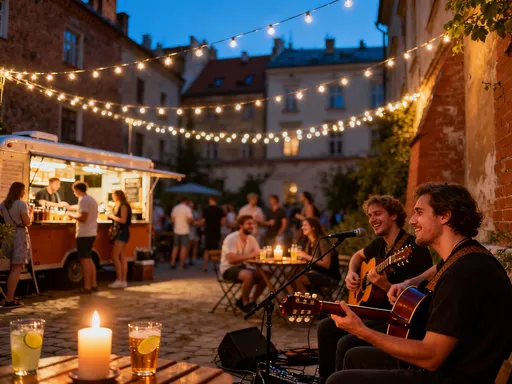
For travelers seeking genuine cultural connection, the solution lies in seeking out quieter, community-based experiences. Local music nights in neighborhood cafes, often featuring saz (a traditional string instrument) and regional folk songs, offer a more intimate glimpse into Turkish musical heritage. Public gardens like Varyant Park or the Sunflower Park host informal gatherings where families play games, children fly kites, and elders sip tea—scenes of everyday life that reveal more about Antalya’s spirit than any staged performance. Additionally, small community centers occasionally host free lectures or craft workshops, providing opportunities to engage with local traditions in a meaningful way.
Smart Leisure: How to Choose Better Venues
Navigating Antalya’s leisure scene doesn’t have to be a gamble. With a thoughtful approach, travelers can distinguish between venues that offer real value and those that rely on appearance alone. The first step is to define what leisure means personally. Is it relaxation? Cultural discovery? Culinary enjoyment? Social connection? Clarifying this helps filter out options that don’t align with individual priorities.
A practical framework for evaluating leisure spots includes four key factors: location, local patronage, price transparency, and atmosphere. Location matters, but not always in the way marketing suggests. A venue in the heart of Kaleiçi may seem ideal, but if it’s constantly packed with tour groups, the experience may be less enjoyable than a slightly more remote option. Observing whether locals frequent a place is a strong indicator of authenticity. A café filled with residents reading newspapers or chatting over tea is likely to offer better food and service than one catering exclusively to tourists.
Price transparency is another crucial element. Menus with clear pricing, no hidden service charges, and reasonable portion sizes signal integrity. If a venue hesitates to provide a menu or pressures guests into premium packages, it’s a red flag. Atmosphere should be assessed beyond aesthetics—does the space encourage lingering? Is the music at a conversational volume? Are staff attentive without being intrusive? These subtle cues often matter more than flashy decor.
Online reviews can be helpful, but they require discernment. Rather than focusing on star ratings, read the detailed comments, especially from repeat visitors or long-term residents. Look for patterns—consistent praise for a chef, repeated complaints about cleanliness, or mentions of hidden fees. Apps like Google Maps or Tripadvisor can be useful, but they should complement, not replace, personal observation and local advice. Striking up a conversation with a shopkeeper, hotel employee, or fellow diner can yield far more reliable recommendations than any algorithm.
Rediscovering Antalya: Leisure With Soul
The most fulfilling leisure experiences in Antalya often happen off the beaten path, away from the billboards and influencer check-ins. They unfold in the quiet moments: a conversation with a fisherman mending his net by the harbor, the taste of freshly baked simit (a sesame-crusted bread ring) from a street vendor, the cool shade of a centuries-old plane tree in a neighborhood square. These are not experiences that can be packaged or sold, but they are the ones that linger longest in memory.
One of the city’s best-kept secrets is its network of coastal walking paths. Stretching from the old city to the outskirts, these trails offer uninterrupted sea views, wildflowers in spring, and the rhythmic sound of waves below. Unlike crowded beaches or marinas, these paths are shared by joggers, dog walkers, and retirees—all moving at a pace that honors the moment. Small tea houses along the way serve çay in tulip-shaped glasses, their owners greeting regulars by name. There’s no agenda here, no pressure to perform or impress—just the simple pleasure of being present.
Another under-the-radar gem is the city’s public fountains. Scattered throughout Kaleiçi and surrounding neighborhoods, these historic şadırvanlar (ablution fountains) are not just decorative—they’re functional, offering cool, fresh water to anyone who stops by. Many are tucked into quiet corners, surrounded by ivy and bird song. Sitting nearby, listening to the trickle of water, becomes a meditative pause in the day. These fountains, once essential to daily life, now serve as subtle reminders of a slower, more communal way of living.
Leisure, at its best, is not about consumption but connection. It’s about allowing oneself to be shaped by a place rather than trying to extract an experience from it. In Antalya, this means slowing down, observing, and engaging with openness. It means choosing a neighborhood bakery over a branded café, a local park over a ticketed attraction, a spontaneous chat over a scheduled tour. These choices don’t diminish the trip—they deepen it.
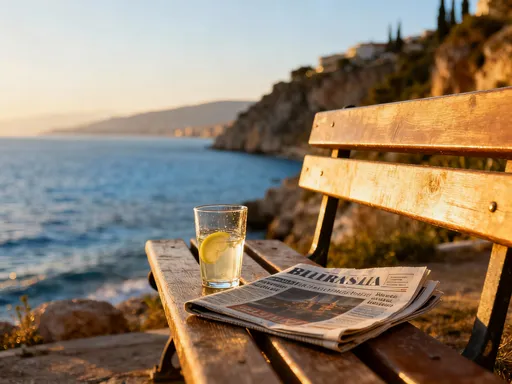
Antalya doesn’t lack beauty or potential for unforgettable leisure—it just demands smarter choices. By avoiding common pitfalls and seeking authenticity over Instagram appeal, travelers can uncover a richer, calmer, and more meaningful side of the city. The best moments aren’t always the loudest or most advertised. Sometimes, they’re found on a quiet bench overlooking the sea, in a chat with a local, or at a café no influencer has ever tagged. That’s the Antalya worth experiencing.