You Won’t Believe What I Ate in Cebu’s Hidden Food Spots
Cebu isn’t just beaches and festivals—its real magic hides in quiet alleys and local markets. I went off the beaten path and discovered flavors that blew my mind: smoky lechon, spicy kinilaw, and sweets I can’t stop thinking about. This is food you won’t find in guidebooks—authentic, bold, and made with pride. If you’re chasing real taste, not tourist traps, Cebu’s underground food scene is a must-try. More than a meal, these hidden bites offer a connection—to generations of cooks, to daily rituals, and to a culture that feeds its soul through shared plates. What I tasted wasn’t just delicious; it was deeply human.
The Soul of Cebu: Why Local Cuisine Tells the Real Story
Cebuano cuisine is more than sustenance—it is a living archive of history, shaped by centuries of trade, colonization, and island resilience. Long before international tourists arrived, the people of Cebu were blending indigenous cooking methods with flavors brought by Malay seafarers, Chinese traders, and later, Spanish colonizers. This fusion is evident in the way dishes balance fire, acidity, and sweetness, reflecting a palate refined over generations. Unlike the homogenized versions served in resort restaurants, the true essence of Cebu’s food culture thrives in backstreet kitchens and home stoves where recipes are passed down like heirlooms.
What makes eating locally so powerful is its intimacy. When you sit on a plastic stool at a roadside stall, sharing space with fishermen, market vendors, and schoolteachers, you’re not observing culture—you’re participating in it. A simple plate of grilled fish with rice and vinegar isn’t just a meal; it’s a daily ritual, a moment of pause in a busy life. Food here is rarely eaten alone. It is shared, discussed, and savored slowly, reinforcing bonds between family and neighbors. This communal spirit is at the heart of Cebu’s identity, and to experience it through food is to understand the island on a deeper level.
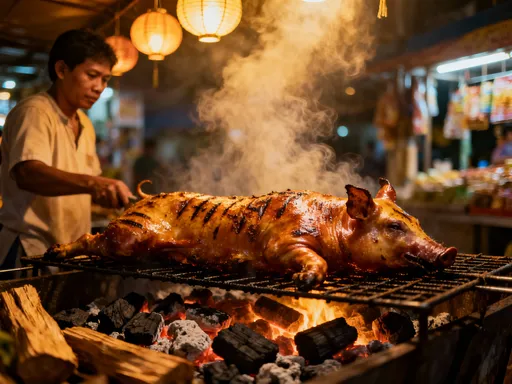
Celebrations in Cebu, from fiestas to family reunions, revolve around the table. No festival is complete without lechon roasting in the plaza, or trays of sweets offered to guests as a sign of respect and gratitude. Even modest households prepare extra portions, believing that feeding others is an act of generosity and blessing. These traditions aren’t performed for tourists—they are woven into the rhythm of everyday life. For the curious traveler, embracing this culinary culture means stepping beyond sightseeing and into the warmth of Cebuano hospitality, where a shared meal is the highest form of welcome.
Beyond Lechon: Uncovering the Island’s Underrated Dishes
While lechon may be Cebu’s most famous export, the island’s true culinary depth lies in its lesser-known dishes—humble, flavorful, and deeply rooted in local life. One such dish is utak, a spiced stir-fry made from pork brain, seasoned with ginger, onions, and chili. It may sound daring to some, but to Cebuanos, it’s a beloved comfort food, often enjoyed with a cold beer or steaming rice. The texture is creamy yet firm, and the spices cut through the richness, creating a bold, satisfying bite. Found in neighborhood eateries and late-night carinderias, utak is a testament to nose-to-tail eating and resourcefulness in traditional cooking.
Another staple is puso, the island’s iconic hanging rice. Woven from woven palm leaves into diamond-shaped pouches, puso is more than packaging—it’s a cultural symbol. The rice inside is slightly compressed and subtly scented by the leaf, giving it a unique aroma. Often paired with grilled meat or savory stews, puso is a portable, eco-friendly meal solution that’s been used for generations. Street vendors sell them in bundles, and they’re commonly seen at markets, festivals, and even as offerings in homes. Eating puso feels like participating in a quiet tradition, one that values simplicity and craftsmanship.
Then there’s balbacua, a rich, slow-cooked stew made from beef connective tissues—tendons, skin, and bones—simmered for hours until gelatinous and tender. Seasoned with bay leaves, garlic, and soy sauce, it’s a dish of patience and flavor. Often served during rainy days or family gatherings, balbacua is comfort in a bowl, best enjoyed with a side of garlic rice and a fiery dip of vinegar and chili. While it may not appear on fancy menus, it’s a favorite among locals who appreciate deep, savory tastes and the art of slow cooking. Finding it requires asking around, but the reward is a taste of Cebu’s culinary soul—unpretentious, hearty, and unforgettable.
Off the Map: Hunting Hidden Eateries in Cebu City and Beyond
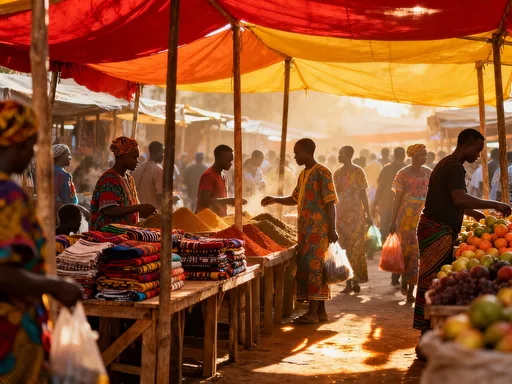
The best food in Cebu isn’t found in shopping malls or tourist zones—it’s tucked away in places where only locals know to look. One of the most rewarding places to start is Carbon Market, the city’s oldest and largest public market. More than just a place to buy produce, Carbon is a living food map, where generations of vendors serve home-cooked meals from tiny stalls behind their counters. Here, you’ll find steaming pots of sinigang, freshly grilled seafood, and handmade noodles served in plastic bowls. The air is thick with the scent of garlic, smoke, and ripe mangoes, creating an atmosphere that’s chaotic, vibrant, and utterly authentic.
Wandering deeper into neighborhoods like Mabolo or Lahug reveals even more treasures. A nondescript doorway might lead to a family-run carinderia where a grandmother stirs a pot of adobo over charcoal, or a roadside cart where a man grills inasal chicken over glowing embers. These spots aren’t listed on apps or maps. They survive on word of mouth, loyalty, and the simple truth that the food is excellent. I once followed a group of office workers down a narrow alley and ended up at a tiny stall serving batchoy so rich and flavorful, I returned three times before leaving the island.
One of the most memorable meals I had was in a coastal barangay outside the city, where a fisherman’s wife cooked us a lunch of grilled tanigue (wahoo), kinilaw, and puso in her open-air kitchen. There were no chairs, just wooden crates and a table under a tarp. But the food was extraordinary—fresh, seasoned with care, and served with pride. These experiences aren’t about comfort or convenience. They’re about connection. The lack of polish is part of the charm, a reminder that real flavor doesn’t need decoration. For travelers willing to explore beyond the guidebook, Cebu offers a culinary adventure that’s as genuine as it is delicious.
Kinilaw Like Nowhere Else: The Raw Truth About Cebu’s National Dish
If lechon is Cebu’s crown jewel, kinilaw is its beating heart. Often compared to ceviche, this raw seafood dish is uniquely Cebuano in preparation and flavor. What sets it apart is the use of tabon-tabon, a native fruit whose pulp acts as a natural tenderizer and flavor enhancer. Unlike citrus-heavy versions found elsewhere in the Philippines, Cebuano kinilaw balances vinegar, coconut milk, and tabon-tabon to create a smoother, more complex taste. The result is a dish that’s bright but not sharp, creamy but not heavy, with layers of flavor that unfold with each bite.
Authentic kinilaw starts with the freshest catch—often tuna, tambakol, or bariles—sliced and marinated just minutes after being pulled from the sea. It’s mixed with onions, ginger, chili, and calamansi, then left to “cook” in the acidic marinade for no more than 15 to 20 minutes. Over-marinating is avoided at all costs, as it dulls the texture and flavor. The best versions are served immediately, often with a side of toasted rice or puso, allowing the natural sweetness of the fish to shine through. It’s a dish that demands freshness, skill, and respect for ingredients.
While kinilaw can be found in many places, not all are equally safe or authentic. The most reliable spots are small seaside towns or trusted market vendors known for their daily deliveries. I recommend places where you can see the fish being prepared, and where the vendor has a steady stream of local customers—a good sign of quality and hygiene. Some families even prepare kinilaw at home for special occasions, guarding their recipes closely. For travelers, trying kinilaw is more than a taste test—it’s an immersion into Cebu’s coastal identity, where the sea feeds the people, and every bite tells a story of sun, salt, and tradition.
Sweet Escapes: Finding Traditional Desserts in Unlikely Corners
Cebu’s dessert culture is a quiet delight, often overshadowed by its savory dishes but no less significant. Found in weekend markets, church fairs, and small-town bakeries, traditional sweets offer a glimpse into the island’s agricultural roots and love for natural ingredients. One standout is binagol, a dense, creamy pudding made from mashed taro, coconut milk, and sugar, often wrapped in banana leaves. Its texture is velvety, and its flavor is subtly sweet, with a hint of earthiness from the taro. Served chilled, it’s a refreshing treat on a hot day, especially when paired with a cup of native coffee.
Another favorite is baye-baye, a layered coconut cake made from grated coconut, sugar, and a touch of milk. Unlike Western cakes, it’s not fluffy but compact, with a chewy, almost fudge-like consistency. The layers are pressed and sun-dried, giving it a unique texture and a faint caramelized edge. Often sold in squares or rounds, baye-baye is a common pasalubong (souvenir) item, cherished for its simplicity and homemade charm. I once bought a batch from an elderly woman at a roadside stand in Argao, and the rich coconut aroma lingered in my bag for days.
Then there’s masareal, a peanut-based delicacy that’s like a cross between fudge and nougat. Made from ground roasted peanuts, sugar, and a bit of water, it’s pressed into small rectangles and dusted with powdered peanuts. It’s rich but not overly sweet, with a nutty depth that lingers on the palate. Unlike mass-produced versions, the real masareal is handmade in small batches, often by home-based bakers in towns like Carcar. Finding these sweets requires patience and local guidance, but the reward is a taste of Cebu’s quieter, sweeter side—a reminder that indulgence here is humble, honest, and deeply satisfying.
Eating Like a Local: Practical Tips for Adventurous Food Travelers
Exploring Cebu’s hidden food scene is rewarding, but it requires a thoughtful approach. First, prioritize hygiene without sacrificing authenticity. Look for stalls with high turnover—busy spots mean fresh ingredients and regular cooking. Observe how food is stored: covered pots, clean utensils, and vendors who wash their hands are good signs. If a place is popular with locals, especially families and older residents, it’s likely safe and delicious. Don’t be afraid to ask, “Anong best seller ninyo?” (“What’s your best seller?”)—it’s a simple phrase that opens doors and often leads to the most recommended dish.
Spice levels in Cebuano food can vary. While not all dishes are hot, many include chili as a garnish or condiment. If you’re sensitive to heat, ask for “hindi maanghang” (“not spicy”) when ordering. Still, don’t avoid spice entirely—many flavors depend on the balance of heat and acidity. Start with small portions, especially with unfamiliar dishes, and pace yourself. Street food is meant to be shared and sampled, not consumed in large quantities at once. Bring wet wipes and hand sanitizer, as outdoor eating often means limited access to restrooms.
The best times to visit markets are early morning or late afternoon, when food is freshly prepared and the heat is less intense. Pair your food adventures with walking tours or public transport—jeepneys and tricycles can take you to neighborhoods tourists rarely see. Talk to drivers or fellow passengers; they often know the best local spots. And remember, eating like a local means respecting the culture. Eat with your right hand when using puso, finish what’s on your plate as a sign of appreciation, and always thank the vendor. These small gestures go a long way in building trust and connection.
From Street to Soul: Why Cebu’s Hidden Flavors Stay With You
Months after my trip, I still dream about the taste of grilled fish drizzled with vinegar and chili, the creamy richness of binagol, and the smoky aroma of lechon crackling in the morning sun. These memories aren’t just about food—they’re about moments of connection, discovery, and joy. Unlike monuments or photo ops, which fade in the mind, food memories linger. They are sensory, emotional, and deeply personal. The sound of sizzling skewers, the warmth of a shared table, the smile of a vendor who sees you truly enjoying their craft—these are the moments that stay with you long after you’ve left the island.
Cebu’s hidden food scene teaches a valuable lesson: the best travel experiences come from curiosity and openness. It’s about slowing down, stepping off the main road, and saying yes to the unfamiliar. It’s about trusting a stranger’s recommendation, sitting on a plastic stool without air conditioning, and discovering that comfort isn’t always about luxury. Real richness lies in authenticity—in food made with care, shared with pride, and rooted in tradition. Cebu doesn’t hand these experiences to you. You have to seek them, with humility and heart.
For women in their thirties to fifties—mothers, wives, travelers with a love for culture and connection—Cebu’s culinary journey offers something profound. It’s not about chasing trends or checking boxes. It’s about feeding the soul as much as the body. It’s about finding beauty in simplicity, joy in discovery, and warmth in human kindness. So the next time you plan a trip, don’t just look for the sights. Look for the flavors. Ask where the locals eat. Follow the smoke and the laughter. Because in Cebu, the truest path to the heart of a place begins with a single, unforgettable bite.