What If Your Morning Rush Could Feel This Calm?
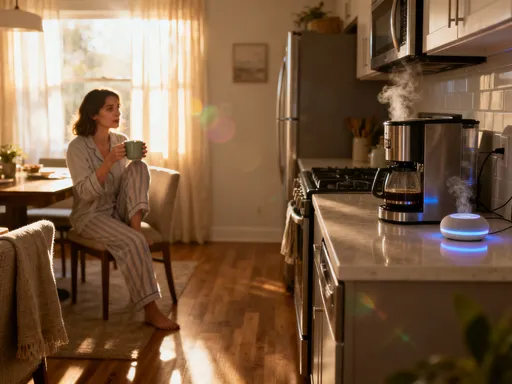
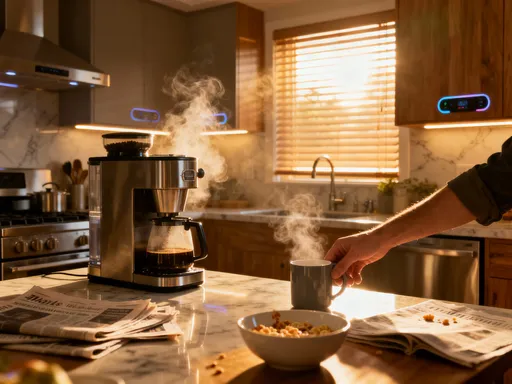
Mornings used to be chaos—forgetting keys, missing alarms, rushing through breakfast. Then I met my smart assistant. At first, it felt like just another gadget, but soon it learned my rhythm. Now, my lights wake me gently, my coffee starts brewing on time, and my day’s schedule plays softly in the background. It’s not magic—it’s smart tech that gets life. And honestly? I feel more in control, even before I leave the house. That quiet moment when the house seems to breathe with me, instead of against me—that’s the shift. This isn’t about flashy buttons or complicated apps. It’s about having a little help that shows up exactly when you need it, without drama, without noise. And if you’ve ever stood in your kitchen with a half-zipped coat, toast in hand, and no idea what the day holds—that kind of calm might be exactly what you’ve been missing.
The Chaos Before the Calm: How My Mornings Fell Apart
Let’s be real—my mornings used to feel like a game of survival. I’d wake up to the sound of my phone buzzing under a pillow, already late. The kids were arguing over who got the blue cup, my partner was double-checking a work presentation, and I was trying to remember if I’d turned off the stove. There was no rhythm, just a series of urgent moments stacked on top of each other. I’d scramble to check the weather, only to spill coffee down my shirt when I saw the forecast called for rain. Then, halfway out the door, I’d realize I hadn’t packed my daughter’s birthday treat for school. Again. That moment—when your stomach drops because you forgot something important—became way too familiar.
And it wasn’t just the little things. I missed a parent-teacher conference because two calendar alerts got buried in a sea of emails. My son’s soccer game started while I was still in a grocery line, trying to buy snacks I should’ve prepped the night before. The worst part? Everyone in my house was moving at their own speed, on their own schedule, with no real way to sync up. Texts flew back and forth like emergency signals: ‘Did you pack lunch?’ ‘What time is practice?’ ‘Where are my keys?’ It felt less like a family and more like a team of solo players trying not to crash into each other. I started dreading the alarm before it even rang. That constant low hum of stress—like I was always one step behind—was exhausting. I wasn’t just tired; I was emotionally drained before 8 a.m.
What I didn’t realize then was that the problem wasn’t just time. It was attention. My brain was trying to hold everything—schedules, reminders, chores, weather, traffic—like a mental sticky note that never stopped growing. And every morning, that note crumpled under the pressure. I needed something that could help me breathe, not just move faster. I didn’t need another to-do list. I needed a partner in the chaos—one that could help me slow down by actually keeping up.
Meeting My Smart Life Assistant: First Doubts and Small Wins
When my sister suggested I try a smart assistant, I rolled my eyes. Another gadget? Another app to learn? Another charger to plug in? I’d already tried fitness trackers that judged my sleep and smart fridges that reminded me I was out of yogurt. I didn’t need more noise. But she kept saying, ‘It’s not about the tech. It’s about giving yourself a break.’ So, one rainy Sunday, I gave in. I bought a small speaker with a voice assistant built in and spent an hour connecting it to my phone, my calendar, and a few smart lights I already owned. Honestly, it felt underwhelming at first. I named it ‘Morning Helper’—cheesy, I know—but I didn’t expect much.
Then came the first real win. I asked, ‘What’s on my schedule today?’ and it told me I had a meeting at 10 a.m. But then it added, ‘Traffic is heavier than usual. Suggest leaving by 9:15 to arrive on time.’ I paused. That wasn’t just a reminder. That was insight. It had checked the map, looked at the clock, and thought ahead—something I hadn’t done in months. I left on time, got there early, and actually had a moment to sip my coffee and breathe. That small moment of calm? It felt like a gift.
After that, the little things started adding up. The assistant reminded me about my daughter’s library day—so I didn’t forget her book. It turned on the porch light when I was running late, so the kids could see the path in the dark. It even played her favorite morning song when she was dragging her feet. These weren’t life-changing events, but they were peace-building ones. I began to trust it—not because it was perfect, but because it was consistent. It didn’t judge me for forgetting. It didn’t get frustrated when I changed plans. It just adjusted. And slowly, I realized this wasn’t about automation. It was about awareness. Someone—or something—was finally paying attention, so I didn’t have to hold everything alone.
Waking Up with Purpose: How My Home Now Talks to Me
Now, my mornings start differently. No more jolting awake to a harsh alarm. Instead, my bedroom lights slowly brighten, mimicking sunrise. It’s subtle—just a soft glow at first, then a gentle warmth that pulls me out of sleep like the sun rising over a quiet lake. The thermostat has already adjusted, so the room isn’t too cold or too warm. And as I stretch and sit up, I hear a calm voice: ‘Good morning. It’s 6:45. Today will be sunny with a high of 72. You have a meeting at 10, and your son’s dentist appointment is at 3:15. Traffic is light. Would you like your morning playlist?’
I smile. Every time. Because that moment—when I’m still half-asleep but already informed—is where the calm begins. I don’t have to grab my phone. I don’t have to scroll through notifications or panic about what I might have missed. I just say, ‘Yes, play my playlist,’ and within seconds, soft music fills the room. My body starts to wake up, not in a rush, but in rhythm. I’ve replaced frantic energy with intention. And that shift? It changes everything.
The real magic is in the conversation. It sounds simple, but being able to ask, ‘Hey, what’s today look like?’ and get a clear, kind response—it feels like having a thoughtful friend who knows your life. No clutter. No stress. Just what matters. I’ve taught it to prioritize family events, so it always mentions school pickups or birthdays first. It even knows to lower the volume if it detects I’m still groggy. These details make it feel less like a machine and more like a quiet companion who wants me to succeed. And because I’m not starting the day overwhelmed, I’m more patient. I listen better. I laugh more. That peace doesn’t just stay in the bedroom—it follows me into the kitchen, the car, the office. It’s not that my life is easier. It’s that I’m showing up better.
Family Synced, Not Scattered: Shared Routines Without the Noise
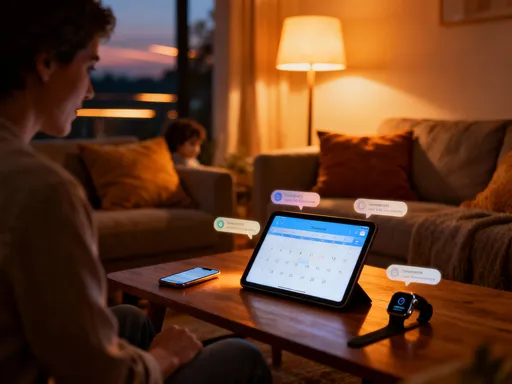
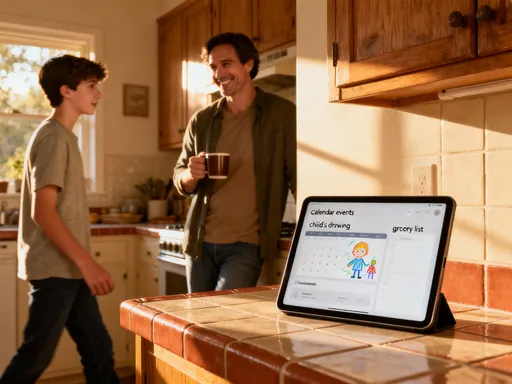
One of the biggest surprises? The assistant didn’t just help me—it helped all of us. At first, the kids thought it was a toy. My daughter would ask it to tell jokes or play animal sounds. But then, something shifted. I added their school calendars, and suddenly, the assistant started reminding them about homework due dates or gym days. My son stopped forgetting his soccer cleats because it would say, ‘Don’t forget your gear—practice is at 5!’ on school days.
But the real test came during my mother’s birthday. I’d put it in my calendar, but life got busy, and I completely forgot. Then, two days before, the assistant announced at breakfast: ‘Reminder: Family dinner for Grandma’s birthday is this Friday at 7 p.m. Grocery list updated for ingredients.’ I froze. I hadn’t told it to share that with everyone. But it knew. And because it spoke up, we had time to prepare, to buy a card, to make her favorite cake. No last-minute panic. No guilt. Just connection.
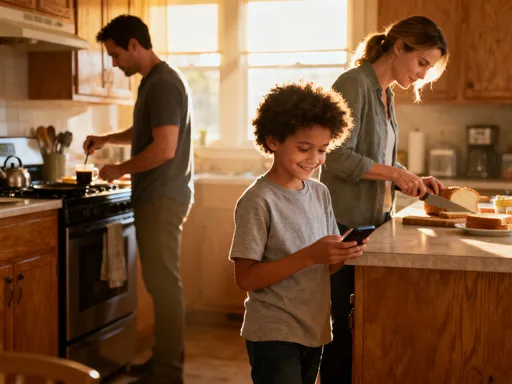
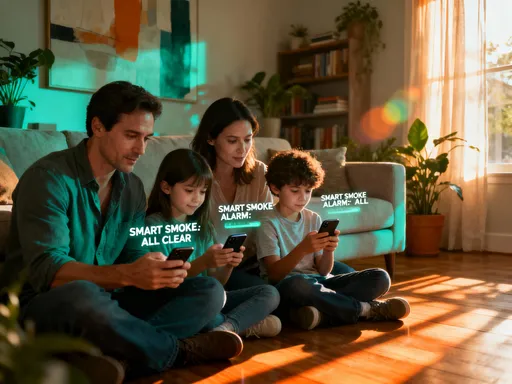
Now, our household runs on gentle nudges instead of loud arguments. Instead of me shouting, ‘Who left the lights on?’ the assistant quietly turns them off at bedtime. Instead of ten texts about dinner plans, one clear message comes through: ‘Dinner is at 6:30. Chicken is thawing on the counter.’ We’ve stopped duplicating tasks or missing each other’s needs. The kids even started asking it things like, ‘What’s for dinner?’ or ‘When is Mom’s work call over?’ It’s become a neutral, kind voice in our home—one that doesn’t get emotional, doesn’t get tired, and always remembers.
What I love most is how it’s reduced the friction. No more misunderstandings. No more ‘I thought you were handling that.’ We’re not just sharing a house—we’re sharing a rhythm. And that’s made us feel more like a team. The assistant isn’t replacing our communication. It’s making space for better communication—calmer, more present, more loving.
From Reactive to Proactive: Anticipating Needs Before They Arise
The longer I’ve used it, the more it feels like it’s learning me. It started with simple reminders, but now it’s beginning to predict. Last month, it said, ‘You’re running low on coffee pods. Would you like to reorder your usual brand?’ I hadn’t even noticed. Another time, it told me my laptop battery was at 15% and suggested plugging it in before my next call. These small interventions? They’ve saved me from so many close calls.
But it’s not just about convenience. It’s about mental relief. Think about how much energy we spend remembering things—what needs refilling, what’s about to expire, what time the dry cleaning closes. That mental load is real, and for a lot of us—especially moms—it’s invisible but exhausting. Having a system that quietly watches over those details? It’s like someone finally took a few books off the stack I’ve been carrying for years.
It’s even started helping with wellness. On nights when I’ve had trouble sleeping, it noticed I turned off the lights later than usual and suggested a wind-down routine: dimming the lights at 9 p.m., playing soft music, and reminding me to put my phone away. I followed it, and slept better. It didn’t nag. It didn’t scold. It just offered support at the right moment. That’s the power of technology that’s designed to care—not just to function.
I’ve started to feel a new kind of freedom. Not the kind that comes from doing more, but from thinking less. My mind isn’t cluttered with ‘Did I…?’ and ‘What if I forgot…?’ That space? I’m using it to read, to sketch, to sit with my daughter and really listen to her stories. I’m not just managing my life—I’m enjoying it.
The Quiet Upgrade: Building Confidence Through Consistency
It’s been over a year now, and the changes go deeper than I expected. I miss fewer deadlines. I’m rarely late. I don’t lose my keys as often (it reminds me where I left them if I’ve tagged them with a smart tracker). But more than that, I feel different. I feel steadier. There’s a quiet confidence that comes from knowing your day is supported—from having a system that helps you show up as your best self, even on the messy days.
I used to think being organized meant being strict with myself. I’d make color-coded lists and feel guilty when I didn’t stick to them. But this? This is softer. It’s not about perfection. It’s about support. When the assistant reminds me about a school event, it’s not judging me for almost forgetting. It’s just helping me be the mom I want to be. And that kindness—extended to myself through technology—has changed how I treat myself in other areas too.
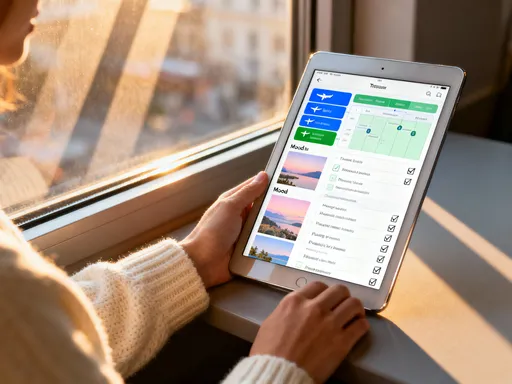
I’ve started saying yes to things I used to avoid—joining a book club, taking an online class, even planning a weekend trip. Because I know I won’t forget the details. I know someone’s got my back. That sense of security has given me room to grow. I’m learning again. I’m creating again. I’m present in ways I haven’t been in years. And it’s not because I’ve changed who I am. It’s because my environment has changed to support me.
That’s the real upgrade. Not faster Wi-Fi or brighter lights. It’s the feeling that I’m not alone in the daily grind. That I have a quiet ally, working in the background, so I can focus on what matters—my family, my peace, my joy.
This Isn’t Just Convenience—It’s a Kinder Way to Live
When I first got this device, I thought it was about saving time. But I’ve realized it’s about saving energy—emotional energy, mental space, patience. True efficiency isn’t about cramming more into your day. It’s about feeling calm while you live it. It’s about starting the morning without panic, moving through your tasks without dread, and ending the day with a sense of quiet pride.
This technology isn’t flashy. It doesn’t impress guests or win awards. But it’s changed my life in ways that matter. It’s helped me be a better mom, a more present partner, a kinder version of myself. It’s not about replacing human connection. It’s about protecting it—by reducing the noise that so often gets in the way.
If you’re reading this and thinking, ‘I could never keep up with tech like that,’ I get it. I felt the same. But this isn’t about being a tech expert. It’s about being a human who deserves support. You don’t need to know how it works. You just need to know it’s there—ready to help, ready to listen, ready to make your morning a little softer, your day a little smoother, your life a little more in sync.
Imagine waking up not to chaos, but to calm. Imagine knowing your day is mapped, your people are reminded, your home is ready. Imagine having more room in your mind for joy, for creativity, for love. That’s not a fantasy. It’s possible. And it might start with a simple voice in the quiet of your morning: ‘Good morning. I’ve got this. You’ve got this. Let’s do today together.’