From Frantic to Focused: How Password Managers Gave Me Back My Time
We’ve all been there—standing in line at the coffee shop, trying to log in to an app, only to realize we’ve forgotten the password. Again. You pull out your phone, juggle between apps, and suddenly ten minutes vanish. What if those scattered, frustrating moments could actually become pockets of calm and progress? I discovered that password managers didn’t just simplify logins—they quietly transformed how I use my waiting time, turning frustration into focus. It wasn’t some dramatic tech overhaul. It was a small shift that made everything else feel lighter, smoother, and more under control. And honestly? It changed more than just my digital life.
The Hidden Cost of Forgotten Passwords
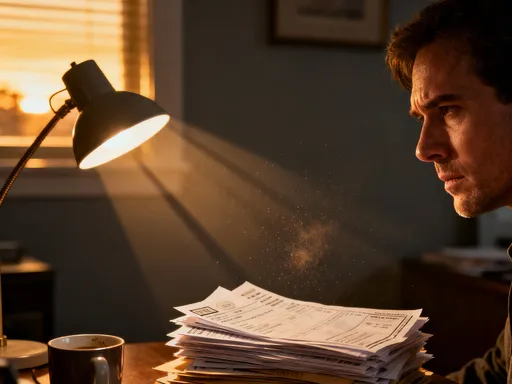
Let’s talk about time—the kind that slips through our fingers without us even noticing. How many times have you stood in line, waited for the kids to finish practice, or sat in your car during a rare quiet moment, only to want to check something quickly—your email, a recipe, your calendar—and gotten stuck because you couldn’t remember your password? I used to think those moments were just part of modern life. Annoying, yes, but unavoidable. Then I started paying attention. I realized I was spending real minutes—sometimes over an hour a week—resetting passwords, answering security questions, or guessing variations of my old ones. That’s not just inconvenient. That’s stolen time.
And it’s not just the minutes. It’s the mental load. Every time you forget a password, your brain has to switch gears. You go from ‘I just want to check my schedule’ to ‘Wait, did I use my pet’s name or my mom’s birthday?’ That little spike of stress, that pause in your flow—it adds up. Over time, those tiny interruptions wear you down. You start to feel scattered, a little frazzled, like you’re always chasing something. I began to notice how often I’d give up on small tasks because logging in felt like too much effort. That frustration wasn’t just about the password. It was about feeling out of control in a world that’s supposed to make things easier.
Think about the last time you were trying to book a doctor’s appointment online while also helping your child with homework. Or when you wanted to quickly look up a store’s hours before calling, but couldn’t get into your saved bookmarks. That friction isn’t small. It’s the difference between feeling capable and feeling overwhelmed. And for someone like me—who values calm, organization, and being able to show up for my family without unnecessary stress—those little digital hiccups were quietly chipping away at my peace of mind. I didn’t realize how much energy I was wasting until I stopped.
Discovering the Quiet Power of Password Managers
The truth is, I didn’t set out to become a password manager advocate. I just wanted to stop forgetting things. I first heard about password managers from a friend who casually mentioned she hadn’t reset a password in years. I remember rolling my eyes—sure, right. But later that week, I was stuck trying to renew our streaming subscription, cycling through passwords like I was on a broken merry-go-round. That’s when I thought, ‘Okay, what does she use?’
I downloaded a well-known password manager app—nothing fancy, just one with good reviews and strong security. I started by adding my most-used accounts: email, banking, a few shopping sites. At first, I didn’t expect much. I thought it would just save me from typing. But within days, something shifted. I wasn’t just saving time—I was saving mental space. I didn’t have to remember anything. No more trying to recall if I used ‘Summer2020!’ or ‘Summer2021$’. No more writing passwords on sticky notes I’d lose. The app remembered for me, and it filled them in automatically.
What surprised me most was how quickly it reduced my background stress. It wasn’t a flashy feature or a big announcement. It was the quiet relief of knowing I could log in, no matter where I was. Whether I was on my phone at the grocery store or my laptop at home, everything was there. That sense of consistency—of things just working—felt like a small win every single day. I started to feel more in control, not because I’d done anything heroic, but because the tools around me finally supported me instead of fighting me.
And here’s the thing: I didn’t have to become a tech expert. I didn’t need to understand encryption or two-factor authentication in detail. The app handled that for me. All I had to do was trust it—and honestly, that was the hardest part. Letting go of the idea that I had to remember everything. But once I did, it felt like I’d given myself permission to relax. My brain didn’t have to hold onto all those little details anymore. It was free to focus on what really mattered—my family, my goals, my peace.
Turning Waiting Time into Productive Moments
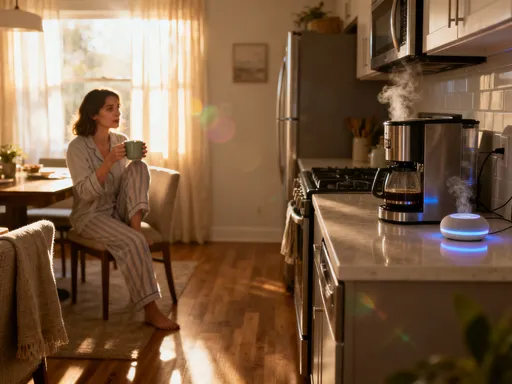
Now, here’s where things got really interesting. I started to notice how much time I actually spent waiting. Waiting for the coffee to brew. Waiting for the kids to get dressed. Waiting in the school pickup line. Before, those moments felt too short to do anything useful. But now, with my password manager, I could actually get things done in those gaps.
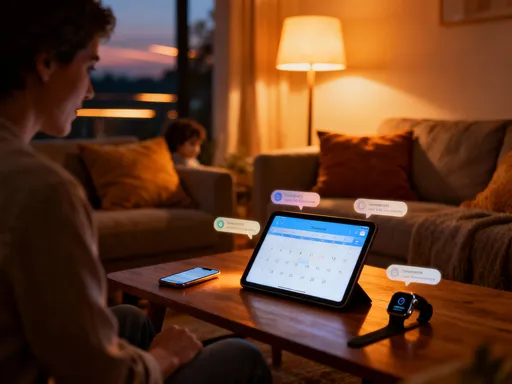
Let me give you an example. Last week, I was at the pharmacy picking up a prescription. The line was long, and I had about ten minutes to spare. Instead of scrolling mindlessly or checking the time every 30 seconds, I opened my phone and pulled up my shared family calendar. With one tap, I was logged in. I checked the upcoming weekend, saw we had nothing planned for Saturday, and quickly messaged my sister to see if she wanted to do a family lunch. She said yes. I opened our favorite restaurant’s website—again, auto-filled—and made a reservation. All before my name was called.
That ten-minute wait turned into a moment of connection and planning. I didn’t feel rushed. I didn’t feel stressed. I felt productive—and not in a pressured way, but in a ‘I’m taking care of things’ kind of way. Those little wins started to add up. I began using short pauses to update my to-do list, reply to a quick email, or even start planning a meal. Because I didn’t have to fight with logins, I could actually use the time I had.
And it’s not just about productivity. It’s about presence. When you’re not stuck in the friction of forgotten passwords, you can be more present in the moment. You’re not frustrated. You’re not distracted. You’re just… doing. Whether it’s planning a birthday surprise, checking in on a friend, or reading an article you’ve been meaning to get to, those small pockets of time become meaningful. I realized I wasn’t just saving minutes—I was reclaiming my ability to act, to connect, to move forward without resistance.
Beyond Convenience: A Calmer Digital Life
There’s a difference between convenience and calm. A lot of tech tools make things easier, but they don’t always make you feel better. What surprised me most about using a password manager wasn’t the time saved—it was the emotional shift. I felt calmer. More secure. Less anxious about my digital life.
I remember one night, my younger sister called in a panic. She’d just dropped her phone in water, and when she got a replacement, she couldn’t remember how to log into her bank or her email. I walked her through setting up a password manager, and within minutes, she was back in. She kept saying, ‘I can’t believe I didn’t do this sooner.’ It wasn’t just about access—it was about relief. She didn’t have to stress about being locked out, about missing a payment, about losing important messages. Everything was there, safe and ready.
That moment stuck with me. Because it wasn’t just about her. I’ve been there too. There was a time when my dad was in the hospital, and I needed to access his medical portal to check test results. I didn’t have the password. I had to call around, wait for callbacks, and it added so much stress to an already hard time. Now, I keep emergency access details in a secure section of my password manager, shared only with my husband. It’s not something I talk about often, but knowing it’s there gives me peace. It’s like having a safety net for the digital part of life.
And that’s the real gift of a password manager. It’s not just about logging in faster. It’s about knowing you’re prepared. That your information is protected. That you won’t be stuck when you need access most. In a world that feels increasingly unpredictable, that sense of stability is priceless. It’s not flashy. It doesn’t make headlines. But it makes a real difference in how you feel every day.
Making It Work for Real Life
I know what you might be thinking: ‘This sounds great, but isn’t it complicated? Do I need to be a tech genius?’ I thought the same thing. The truth is, setting up a password manager is easier than most people expect. I started with one device—my phone. I picked an app that worked across platforms, so it would sync with my laptop and tablet. I spent about 20 minutes adding my most important accounts. After that, every time I logged into a new site, the app asked if I wanted to save it. I said yes. That’s it.
One of my friends was skeptical. She said, ‘I don’t want to put all my passwords in one place. What if it gets hacked?’ I get that concern. But here’s what I learned: a good password manager is actually safer than what most of us do naturally—reusing passwords or using simple ones we can remember. These apps generate strong, unique passwords for every site, so even if one gets compromised, the others are safe. And they use encryption, which means your data is protected even if someone gains access to the system.
I showed her how I log in—using my fingerprint or face scan. No typing. Just a quick touch or glance, and I’m in. She tried it on her phone, and her eyes lit up. ‘Oh. This is actually easy.’ That moment reminded me that we often avoid tools because we assume they’re harder than they are. But once you try it, it just… works. The key is consistency. Use it every day. Let it save your passwords. Trust it. Over time, it becomes second nature—like brushing your teeth or locking the front door.
You don’t have to do it all at once. Start with your email. Then add your bank. Then your shopping accounts. Let the app build with you. And don’t worry about perfection. The goal isn’t to have every single account in there on day one. It’s to make your life easier, one login at a time.
Sharing Security Without the Stress
One of the most unexpected benefits has been how it improved my family life. Before, sharing logins was a mess. My husband would text me for the Wi-Fi password. My sister would call asking for the Netflix login. I’d send passwords over text or email—definitely not the safest way. And if I changed a password, I’d forget to tell someone, and then they’d be locked out.
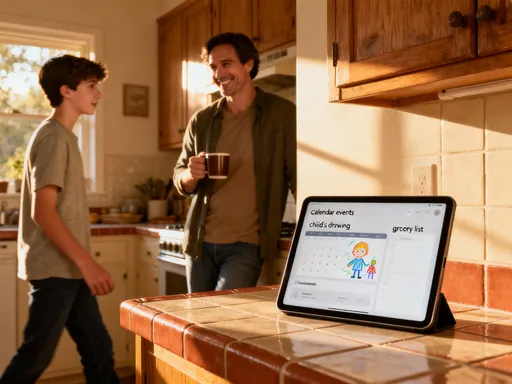
Now, I use the shared vault feature. I’ve created secure folders for things like streaming services, home internet, and utility bills. I’ve given my husband access to everything we share. When we need to pay a bill or switch providers, we both have what we need—no back-and-forth, no frustration. Even my mom, who’s not very tech-savvy, has access to a few key accounts, like our family photo album and the grocery delivery service. I set it up once, and now she can log in on her own.
It’s not just about convenience. It’s about trust. By sharing access securely, we’re saying, ‘I’ve got your back.’ No more feeling helpless when something goes wrong. No more waiting for someone to reply to a text. We’re all empowered. And in moments of stress—like when the internet goes out or a bill is due—it makes a huge difference. We’re not adding tension to an already hard moment. We’re solving it, together.
I also use it for emergency contacts and important documents. I’ve stored digital copies of our insurance cards, passport numbers, and even our will. It’s not something I think about daily, but knowing it’s there, protected and accessible, gives me a deep sense of security. It’s like having a digital safe that only the people I trust can open.
A Small Change with a Big Ripple Effect
Looking back, I never would have guessed that a password manager could have such a big impact. It didn’t change my life in a dramatic way. No fireworks. No overnight transformation. But slowly, quietly, it changed everything. I have more time. Less stress. Greater confidence in my daily routine. I’m more present with my family because I’m not stuck in digital frustration. I feel more in control, not because I’m doing more, but because the things around me support me better.
It’s funny—what started as a solution to a small problem turned into a tool for a more intentional life. Those tiny moments of ease, those seconds saved here and there, they’ve added up to something bigger. I’m not just managing passwords. I’m managing my energy, my focus, my peace. And in a world that constantly asks for our attention, that’s a powerful thing.
If you’ve ever felt overwhelmed by the little things—the forgotten logins, the endless resets, the mental clutter—know that there’s a simpler way. You don’t have to accept frustration as part of modern life. You can choose tools that work for you, not against you. A password manager isn’t a gadget. It’s a quiet ally. A small change that can give you back your time, your calm, and your confidence. And honestly? That’s worth more than any password.