Beyond the Itinerary: Design Tools That Made My Travels Smoother, Calmer, and Truly Mine
You know that overwhelmed feeling before a trip—juggling maps, lists, and endless notes? I used to dread it. Then I discovered creative design tools weren’t just for designers. They helped me organize trips with less stress, pack smarter, and even capture memories beautifully. This isn’t about fancy tech—it’s how simple digital tools reshaped my travel life, making every journey more peaceful and personal. If you’ve ever shown up at the airport missing a passport copy or forgotten your daughter’s favorite sweater on a mountain getaway, you know how small oversights can cast a shadow over what should be joyful moments. I’ve been there. More than once. But now, travel doesn’t start with panic. It starts with clarity. And it all changed when I stopped thinking like a stressed planner and started designing my trips like a storyteller.
The Travel Chaos We All Know
Remember that Sunday night before a Monday morning flight? The house is quiet, the kids are asleep, and you’re sitting at the kitchen table with five sticky notes, two open browser tabs, and a printed map you found three days ago but haven’t folded back properly. You’re trying to remember if you booked the car rental, whether the hotel has a shuttle, and if you packed the motion sickness bands for your son. Your mind races. Did you confirm the breakfast reservation in Paris? Is the power adapter in the suitcase or still in the drawer? That knot in your stomach isn’t excitement—it’s anxiety. I used to think this was just part of traveling. Like jet lag or overpriced airport coffee. But it wasn’t. It was a sign that my system wasn’t working.
One summer, I planned a family trip to the coast—just four days, nothing extravagant. But two hours before we left, I realized I hadn’t booked the aquarium tickets, which were sold out online by then. My daughter had been talking about the jellyfish exhibit for weeks. We got there anyway, stood in line, and were turned away. She didn’t cry, but the disappointment in her eyes stayed with me long after we got home. That moment wasn’t just about a missed activity. It was about losing trust—in myself, in the plan, in the idea that I could create a smooth, joyful experience for my family. I realized then that disorganization wasn’t just inconvenient. It was robbing me of the very thing I was trying to give us: connection, rest, and happiness.
And it wasn’t just big things. I’d overpack—always. Three pairs of jeans for a five-day trip. Seven scarves. I’d end up paying extra for luggage or dragging a suitcase that felt like it was full of bricks. Then there was the mental load: remembering who needed what, when, and where. It felt like I was the only one holding the map, and it was tearing my hands. Sound familiar? You’re not alone. So many of us carry this weight, thinking we just need to try harder. But what if the problem wasn’t us? What if it was the tools we were using?
Discovering the Unexpected Helper: Creative Tools for Real Life
The shift started quietly. I was organizing a weekend trip to a small mountain town—just me and my sister. Nothing huge. But this time, I opened a design app I’d downloaded months earlier for a work project. I didn’t think of it as a travel tool. I just wanted to make a pretty itinerary to share with her. But as I dragged and dropped boxes for breakfast, hiking, and dinner, something clicked. I added little icons—a coffee cup, a hiking boot, a wine glass. I color-coded our activities. I embedded the hotel address and linked to the trail map. And suddenly, everything was in one place. Not scattered. Not buried in emails. Right there, clear and calm.
That’s when it hit me: design tools aren’t just for logos or social media posts. They’re for organizing life. The same features that help graphic designers lay out a brochure can help a mom plan a family vacation. Drag-and-drop interfaces, visual layers, customizable templates—these aren’t just for creatives. They’re for anyone who wants to see their world more clearly. I wasn’t designing a flyer. I was designing peace of mind.
I started experimenting. I made a shared board for our next family trip. My husband could add his preferred hiking spots. The kids could draw little stars next to the activities they wanted most. We used emojis as voting tools. And for the first time, planning didn’t feel like a chore I had to do alone. It felt like something we did together. The app didn’t make decisions for us, but it gave us a common language. No more miscommunication. No more “I thought you were handling that.” Just a shared space where everyone could contribute, see, and feel involved.
This wasn’t about being tech-savvy. It wasn’t about learning complicated software. It was about using tools that matched how we think—visually, emotionally, relationally. And the best part? These tools grew with us. When our daughter started school, we used the same app to plan her first solo trip to visit grandparents. I created a simple visual schedule with pictures of the train, her favorite book, and her grandma’s dog. She felt prepared. I felt calm. That’s the power of design—not in making things pretty, but in making things possible.
Mapping Your Journey, Not Just the Route
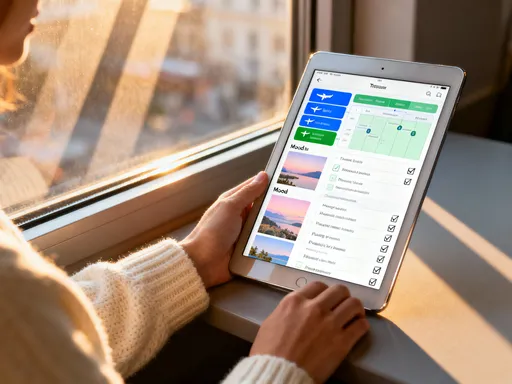
Before these tools, my travel plans lived in three places: a notebook, my email inbox, and my head. That meant constant switching, double-checking, and second-guessing. Now, I use a single digital canvas to map out the entire trip. Not just the route, but the rhythm. I start with a timeline across the top—each day a column. Then I fill in blocks: hotel check-in, breakfast spot, museum visit, nap time, dinner. Each block has a color. Blue for me, green for my husband, pink for the kids. If an activity overlaps, it’s easy to spot. If something’s too packed, the visual clutter tells me before my brain does.
One trip to a historic city, we wanted to see everything—too much, really. But when I laid it out on the board, the schedule looked exhausting. Blocks were stacked three high. My daughter’s favorite park was squeezed between a tour and a restaurant reservation. I could *see* the stress before it happened. So we cut two activities. We left space for wandering, for ice cream breaks, for sitting on a bench and watching pigeons. That open space didn’t feel like a loss. It felt like a gift. And it made the trip better. We actually enjoyed what we did because we weren’t rushing to the next thing.
Sharing this board with my family changed how we traveled. My husband, who used to say, “Just tell me when to show up,” now checks the plan on his phone. He adds notes: “Need to charge camera before the boat tour.” The kids love seeing their names next to activities. “Look, Mom! I have two art museums!” It’s not just information. It’s anticipation. It’s ownership. And when things change—which they always do—the board updates in real time. No more “Wait, did we move lunch?” Everyone gets a notification. The plan breathes. It adapts. And we stay connected, even when we’re apart.
This visual approach also helped with logistics I used to overlook. Like meal planning. I now add color-coded dots for meals: green for healthy, yellow for treat, red for “pack snacks.” It’s simple, but it keeps us balanced. No more hangry meltdowns at 3 PM because we skipped lunch. I also link each activity to a location pin. Tap the museum block, and it opens the address in maps. Tap the restaurant, and it shows the menu. It’s not automation. It’s intention. Every detail is placed with care, so we can move through the trip with ease.
Packing with Purpose, Not Panic
Packing used to be my least favorite part of travel. It felt like a test I never passed. I’d stand in front of the open suitcase, pulling things out, putting them back, second-guessing. Did I need the umbrella? The sweater? The backup charger? I’d overpack to feel safe, then pay for extra baggage or struggle with a bursting suitcase at the train station. And unpacking? That was worse. Clothes everywhere. The kids’ socks mixed with my scarves. It took days to recover.
Then I started using a digital packing board. I created a template with sections: tops, bottoms, shoes, toiletries, electronics, kids’ items. Instead of text lists, I used little illustrations—tiny drawings of a dress, a hat, a toothbrush. I made it fun. My daughter helped pick the icons. We used emojis at first, but she wanted to draw her own, so I scanned her little crayon sketches and uploaded them. Now, when we pack, she checks her board: “Did I pack my pink hat? Yes—there’s the drawing!” It’s playful, but it works.
The real breakthrough was linking each item to an activity. I don’t just pack “2 sweaters.” I pack “sweater for mountain hike” and “cardigan for dinner.” If an activity gets canceled, I can quickly see what to remove. No more packing for a picnic that never happens. I also assign items to people. Her raincoat. His swim goggles. My reading book. We all check our own sections. It’s not just efficient—it’s empowering. The kids feel responsible. I feel supported.
This system also helped me pack with the return in mind. I added a “coming home” section: laundry bag, dirty shoes, souvenirs. I even included a note: “Unpack within 24 hours.” It sounds small, but it made a difference. I wasn’t just packing for the trip. I was packing for peace when we got back. And guess what? We’ve reduced luggage by one bag on every trip since. No extra fees. No struggling with handles. Just light, intentional packing that feels calm from start to finish.
Capturing Memories Beyond Photos
After a trip, I used to dump all the photos into a folder and forget them. Maybe I’d make a quick slideshow. But the feeling of the trip—the smell of the sea, the sound of laughter at dinner, the way the light looked at sunset—those didn’t stay. Photos alone didn’t capture it. I wanted something more. Something that felt alive.
Now, I use the same design tools to create digital scrapbooks. Right after we get home, I open a new board. I upload photos, but I also add ticket stubs, napkin sketches, voice notes, even the boarding pass. I arrange them like a story: arrival, first meal, big adventure, quiet moment, goodbye. I write short captions—not just “beach day,” but “the day the kids built a sandcastle taller than Dad.” I use soft colors, gentle fonts, and space them out so they breathe.
These scrapbooks aren’t perfect. They’re not magazine-worthy. But they’re real. And they do something photos alone never did: they bring back the calm. When I’m stressed or tired, I open one. I don’t just see a moment. I feel it. I remember how slow time felt on that porch swing. How my daughter laughed when she slipped in the mud. How my husband held my hand at the lighthouse. These aren’t just memories. They’re emotional anchors.
I also share them with family. My mom prints them and puts them in her living room. My sister watches them with her kids. They say, “Tell us about the boat ride!” It sparks conversations. It keeps the trip alive. And for me, it closes the loop. Travel isn’t just about going somewhere. It’s about bringing something back—not just souvenirs, but a deeper sense of peace, connection, and joy. These scrapbooks help me keep that.
Sharing the Journey, Strengthening Bonds
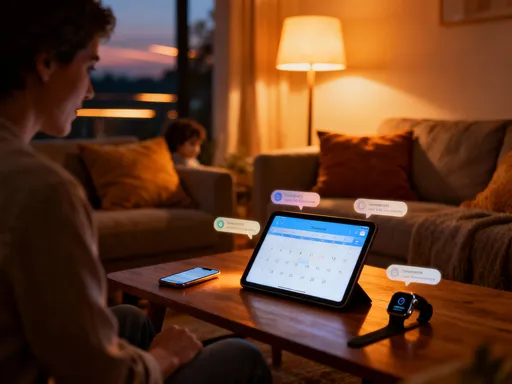
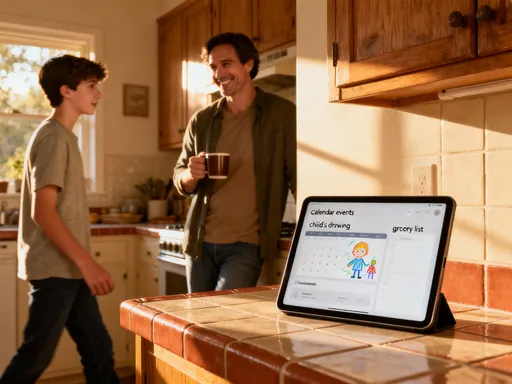
One of the most unexpected gifts of using these tools is how they brought us closer. Planning used to be my job. Now, it’s our time together. On Sunday evenings, we gather around the tablet. The kids pick icons for activities. My husband adds notes about photography spots. We laugh over silly drawings. We debate which park to visit. These moments aren’t just about decisions. They’re about connection.
I remember one evening, planning a trip to a lakeside cabin. My son drew a fish with wings and said, “We should catch flying fish!” We all laughed. But then I added it to the board as a joke activity. “Flying Fish Hunt—9 AM.” On the actual trip, we turned it into a game. We made up stories. We pretended. That moment—born from a silly drawing on a planning board—became one of our favorite memories. The tool didn’t create the joy. It gave us space for it to grow.
Even after the trip, we revisit the plan. We look at what we did, what we changed, what we’d do differently. It’s not criticism. It’s reflection. We learn about each other. I learned my daughter loves quiet mornings at cafés. My husband realized he enjoys unplanned walks more than scheduled tours. These insights shape our next trip. And the board becomes a living record of who we are—and who we’re becoming.
For single parents or those traveling alone, these tools offer a different kind of support. They create structure without pressure. You can plan at your own pace, adjust as needed, and still feel in control. And when you share the plan with loved ones back home, it keeps you connected. A quick message: “Look what we’re doing today!” with a screenshot of the board. It’s not just updates. It’s inclusion.
A Calmer, More Personal Way to Travel
Looking back, the biggest change wasn’t in my suitcase or my itinerary. It was in my mindset. I used to see travel as a series of tasks to complete. Now, I see it as a story to design. And that shift—from stress to storytelling—has made all the difference. These tools didn’t take over my life. They helped me live it more fully. They didn’t replace the human moments. They protected them.
Technology often gets a bad rap for pulling us away from real life. But when used with intention, it can do the opposite. It can clear the noise, reduce the load, and create space for what matters. For me, that’s family, presence, and peace. I’m not chasing perfect trips. I’m creating meaningful ones. And sometimes, the simplest tools—the ones that let us see, share, and feel—make the biggest impact.
So if you’re feeling overwhelmed by your next trip, I want you to know: it doesn’t have to be this way. You don’t need more time, more energy, or more willpower. You might just need a different way to see it. Try opening a blank canvas. Drag in a few blocks. Add a photo, a color, a memory. Let your trip unfold not as a checklist, but as a story—one that reflects your life, your pace, your heart. Because you don’t have to travel perfectly. You just have to travel peacefully. And that’s a journey worth designing.