Tracked 3 Family Mornings with One App: How We Stopped Rushing and Started Connecting
Mornings used to be chaos—misplaced bags, missed buses, last-minute calls. Then I tried a simple location-sharing app, just to see if it could help my family sync up. What changed wasn’t just timing—it was how we *felt*. No more anxiety, no more yelling across the house. Just calm, quiet coordination. This isn’t about tracking—it’s about trusting. And in just days, our rushed mornings turned into moments of connection. Here’s how it quietly transformed our lives.
The Morning Mayhem No One Talks About
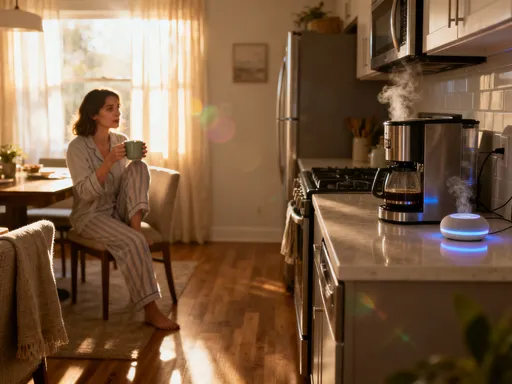
Let’s be honest—most weekday mornings feel like a race we didn’t sign up for. You wake up with good intentions, maybe even five extra minutes to sip your coffee in peace, but then it starts: the backpack isn’t where it was left, someone forgot their lunch, and the dog needs to go out *right now*. By the time you’re shouting, “Who took the car keys?!” across the house, your calm has vanished. I’ve been there more times than I’d like to admit. One Tuesday, I missed my youngest daughter’s school drop-off window because I thought my husband was handling it. He thought I was. We both showed up late, frazzled, and guilty. That moment stuck with me. It wasn’t just about being late—it was about the emotional toll of constant misalignment. The frustration, the quiet resentment, the feeling that no one was on the same page. And it wasn’t just us. I’ve talked to so many moms who say the same thing: by 8 a.m., they’re already emotionally drained. We’re not failing as parents or partners—we’re just trying to manage too much with too little time. The real problem isn’t laziness or disorganization. It’s the invisible load of mental coordination. We’re all moving in different directions, and no one has a map. That’s where I realized a tiny shift could make a big difference.
How a Tiny Tech Shift Made a Big Difference
I’ve always been cautious about technology that feels invasive. The idea of “tracking” my family made me uncomfortable at first—it sounded like surveillance, not support. But then a friend mentioned how she uses a simple location-sharing app just to know when her teen is on the bus or when her partner is leaving work. No alerts, no pressure—just a quick glance at her phone to feel more in sync. That sounded different. So I looked into it. What I found wasn’t some complicated system with settings that felt like rocket science. It was just an app, already built into the phones we use every day. The idea is simple: with permission, you can see where someone is in real time—but only when they choose to share it. It’s not constant. It’s not automatic. And it’s completely reversible. You can turn it off anytime. The app uses very little battery, and it doesn’t ping every second—just updates every few minutes. That’s key, because I didn’t want anything that felt obsessive or draining. What surprised me was how much easier it made communication. Instead of texting “Are you leaving now?” or calling three times before school pickup, I could just check. And that small change? It lifted a weight I didn’t even know I was carrying. It wasn’t about control. It was about clarity. And that clarity gave us all more space to just *be*. We weren’t guessing anymore. We weren’t assuming. We were just knowing. And that made all the difference.
Breakfast Without the Background Noise of Worry
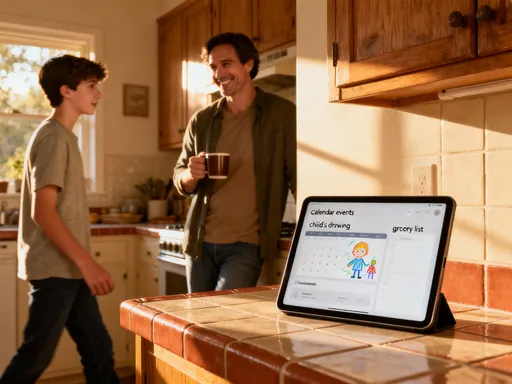
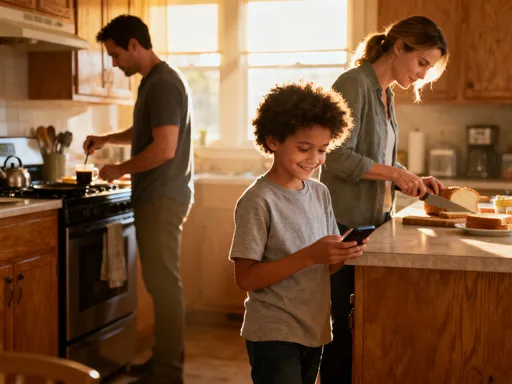
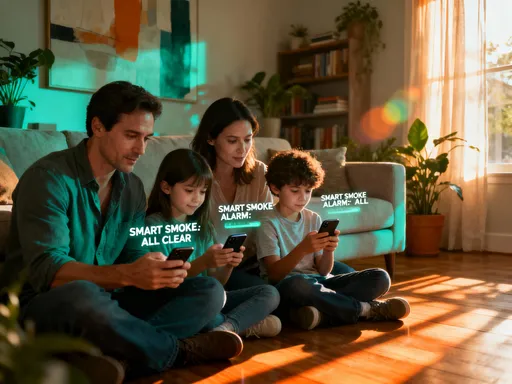
One of the most beautiful changes happened at the breakfast table. Normally, it’s a blur of toast, half-chewed questions, and last-minute homework checks. But now, there’s a quiet calm in the air. I don’t have to keep one eye on my phone, waiting for a text that says “on my way.” Instead, I can just look. When I see that my older daughter’s dot is moving toward the bus stop, I know she’s on track. When I see my husband’s location shift from home to the office driveway, I know he’s leaving for his early meeting. And when he’s supposed to pick up the kids, I can see when he’s turning onto their school’s street—no need to call and interrupt his workday. One morning, my youngest looked over and said, “Mom, Dad’s already on his way!” I hadn’t said a word. She’d checked the app herself. That moment hit me. She wasn’t worried. She wasn’t anxious. She just *knew*. And that knowing gave her a sense of security that no amount of reassurance from me could match. It wasn’t magic. It was just information, shared with care. But the effect was profound. We were all more present because we weren’t distracted by doubt. We could focus on each other instead of on the unknown. And isn’t that what we all want in the morning? Not just to get out the door, but to start the day feeling grounded, connected, and at peace?
More Than Convenience—It’s Emotional Relief
At first, I thought this was just about saving time or avoiding missed pickups. But what I didn’t expect was the emotional shift. The constant back-and-forth texts—“Where are you?” “Did you leave yet?” “Are you coming?”—they weren’t just annoying. They were stressful. For me, they felt like nagging. For my husband, they felt like micromanaging. For the kids, they just added noise to an already busy morning. But with location sharing, those texts faded away. And something interesting happened: we started talking *more*, but in better ways. Instead of transactional check-ins, we had real conversations. “How was your ride?” “Did you sleep okay?” “What are you excited for today?” The silence of not having to ask “where are you?” made room for questions that actually mattered. I also noticed less tension in my body. No more clenched jaw when I didn’t hear back. No more racing thoughts about whether someone was stuck somewhere. That low hum of worry that used to follow me through the morning? It quieted. And in its place came something I hadn’t felt in years: trust. Not blind trust, but informed trust. I knew my kids were safe because I could see they were where they were supposed to be. I trusted my husband’s time because I could see his routine. And they trusted me, too—because I wasn’t constantly questioning them. This wasn’t about control. It was about creating a shared sense of safety. And that, more than anything, changed the tone of our family life.
Setting It Up Without Crossing Boundaries
I know what you might be thinking: “What about privacy? What if my teen hates it?” Those are real concerns. And they’re exactly why we didn’t jump in all at once. We started small. I brought it up at dinner one night, not as a rule, but as an idea. “I read about this app that helps families stay in sync,” I said. “Would you guys be open to trying it, just for mornings?” My older daughter was skeptical. “So you want to *track* me?” she asked, raising an eyebrow. I didn’t argue. I just explained: “It’s not about watching you. It’s about knowing you’re safe. And you’d have the same view of me. We’d all share, or no one does.” We talked about how it works—that it only updates every few minutes, that it uses little battery, that anyone can turn it off anytime. We agreed to start with just one person sharing—me. After a week, my daughter asked if she could try it. “I don’t want you worrying when I’m walking to the bus,” she said. That moment meant more than I can say. It wasn’t forced. It wasn’t demanded. It was offered, and accepted, because it felt supportive, not suspicious. We also set simple rules: no checking during school hours unless there’s a plan, no commenting on someone’s location unless it’s relevant, and always respecting when someone turns it off. These boundaries made all the difference. It wasn’t about surveillance. It was about shared responsibility. And that small conversation at the dinner table? It did more for our family trust than any app ever could.
When It’s More Than Just Getting to School or Work
There are moments when this simple tool has meant more than just coordination. Like the first time my youngest walked to the bus stop alone. I didn’t follow her. I didn’t hover. I just opened the app and watched her little dot move down the street, past the oak tree, toward the corner. My heart pounded, but I wasn’t panicked. I could see she was on track. And when she reached the stop, I sent a quick text: “Proud of you!” She smiled when she saw it. Another time, my mother came to visit from out of town. She’s in her seventies and walks a little slower now. When she left her hotel to come to our house, I could see her progress down the highway. I didn’t call to check in every few minutes. I just waited, calmly, until I saw her turn onto our street. Then I went to the door, opened it, and was there when she pulled up. She didn’t know I’d been watching. She just said, “You always know when I’m coming.” I smiled. I didn’t tell her it was the app. I just said, “I was hoping you’d be here soon.” These moments aren’t about efficiency. They’re about presence. They’re about being able to care without hovering, to support without smothering. The app didn’t create these feelings—but it gave us a way to express them quietly, without words. It turned data into care. And in a world that often feels too fast, too loud, too disconnected, that’s a gift.
Why This Small Change Stuck (And What It Taught Us)
It’s been months now, and this little habit has become part of our family rhythm. We don’t talk about it much anymore—it’s just there, like setting the table or turning on the coffee maker. But its impact has been deeper than I ever expected. It didn’t just make mornings smoother. It made us kinder. It made us calmer. It made us more aware of each other’s rhythms, more patient with each other’s pace. I used to think the best tech was the kind that did more—faster, louder, flashier. But this experience taught me something different. The best technology isn’t the one that adds more to our lives. It’s the one that helps us feel more. It’s not about speed. It’s about peace. It’s not about control. It’s about connection. And sometimes, the smallest tools create the biggest shifts. This app didn’t change who we are. It just helped us show up as who we already are—a family that cares, that trusts, that wants to be in sync. And that’s worth more than any feature, any setting, any update. So if you’re tired of the morning rush, if you’re tired of the stress, the guessing, the guilt—try something small. Try a glance instead of a text. Try clarity instead of chaos. Try trusting, not tracking. You might be surprised how much calmer your mornings become—and how much closer you feel to the people you love.