Cut my family’s fire risks by 90%: How smart smoke alarms gave us real peace of mind
You know that moment when you smell something burning and your heart jumps? That happened to me last year—just toast, but it shook me. I realized our old smoke alarms were outdated and unreliable. Since switching to smart smoke alarms, I sleep better, worry less, and feel truly protected. This isn’t just about technology—it’s about keeping the people I love safe. Let me share how this small change made a big difference in our daily life.
The Scare That Changed Everything
It was a regular Tuesday morning. I was getting the kids ready for school, coffee in hand, when I caught a whiff of something sharp in the air—burning bread. Nothing unusual there. We’ve all had that moment when the toaster wins the battle against breakfast. But what happened next stayed with me. I ran to the kitchen, opened the window, pulled the smoke out, and only then remembered to check the smoke alarm. It wasn’t going off. Not a peep. That’s when my stomach dropped.
I stood there, heart pounding, not because of the smoke—but because of the silence. The alarm above the kitchen had been chirping for weeks, that annoying high-pitched beep that so many of us ignore. I’d meant to change the battery, of course I had. But life got busy. Homework, laundry, work deadlines—it all piled up, and that little beep became background noise. Until it wasn’t. That morning, I realized we weren’t just dealing with a burnt breakfast. We were living with a false sense of safety.
I remember sitting at the kitchen table later that day, the kids long gone to school, staring at the silent device on the ceiling. I felt a wave of guilt and fear. What if it hadn’t been toast? What if I’d been out running errands and something worse had happened? What if the house had filled with smoke while we were asleep? I couldn’t shake the image of my family, unaware, unprotected. That moment wasn’t just a wake-up call. It was a turning point. I decided then and there that I wouldn’t wait for another scare. I started researching—no longer as a distracted mom, but as someone who needed real answers. And what I found wasn’t just a better alarm. It was a new way to care for my home.
Why Old Smoke Alarms Aren’t Enough Anymore
Like most people, I used to think that as long as the alarm made noise once in a while, it was doing its job. But the truth is, traditional smoke alarms have serious limitations—ones we rarely talk about. First, the sensors wear out over time. Most manufacturers recommend replacing them every ten years, but how many of us actually do that? I certainly didn’t. Ours were installed when we bought the house—eight years ago—and I had no idea if they were still working properly.
Then there’s the battery issue. We’ve all heard the dreaded chirp, that midnight annoyance that makes you slap the ceiling in frustration. But here’s the scary part: many people remove the battery to silence it and forget to replace it. Or they think a quiet alarm means everything’s fine, when in reality, it could mean the opposite. According to data from the National Fire Protection Association, nearly 40% of home fire deaths occur in homes with no working smoke alarms. And in three out of five cases, the alarms either weren’t installed or had dead batteries. Let that sink in. Three out of five families who lost everything could have been saved by something as simple as a functioning alarm.
Another problem is placement. Many homes only have one or two alarms, often tucked away in hallways or near the kitchen. But smoke rises fast and spreads quickly. If an alarm is too far from a bedroom or on the wrong floor, it might not wake you in time. I learned that the best practice is to have an alarm on every level of the home, inside each bedroom, and outside sleeping areas. Our house had only two—both near the kitchen and living room. We were missing coverage in the upstairs hallway and my daughter’s room. That gap could have been deadly.
And let’s not forget nuisance alarms. How many times have you waved a towel under a smoke alarm after burning dinner, only to have it go off again five minutes later? That frustration leads people to disable their alarms altogether—pulling out the battery, disconnecting the wires, or even covering it with a plastic bag. I’ve done it. We’ve all done it. But every time we do, we’re taking a gamble with our lives. Old alarms don’t distinguish between smoke and steam. They don’t tell you what’s wrong. They just scream. And over time, we stop listening.
Discovering Smart Smoke Alarms: More Than Just a Beep
When I started looking into smart smoke alarms, I’ll admit I was skeptical. I’m not a tech person. I don’t have smart lights or voice-controlled thermostats. The idea of an “intelligent” alarm sounded complicated—something for early adopters, not someone like me who just wants to keep her family safe. But the more I read, the more I realized this wasn’t about gadgets. It was about peace of mind.
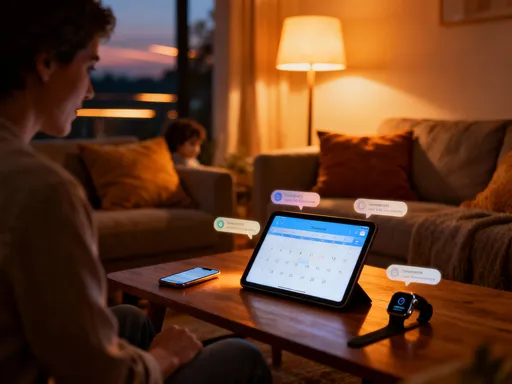
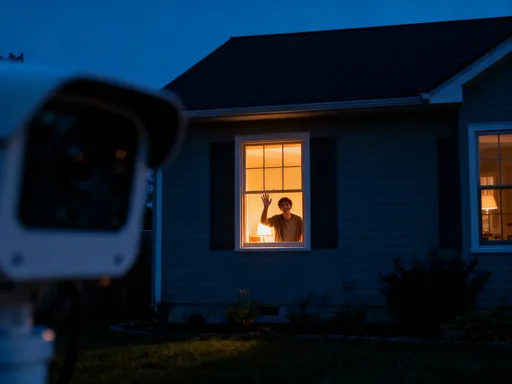
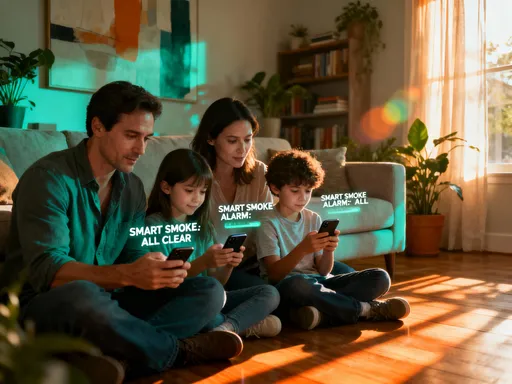
Smart smoke alarms work differently. They don’t just scream when they detect smoke—they communicate. Through a connected app on my phone, I get real-time alerts if something happens, even when I’m not home. Imagine getting a notification that says, “Smoke detected on the second floor,” while you’re at your sister’s birthday dinner across town. That’s not just helpful. That’s life-changing.
But it goes even further. These alarms can tell you *why* they’re going off. Is it smoke? Is it steam from the shower? Is the battery low? Some models even use dual sensors to tell the difference between a real fire and a false trigger. That means fewer false alarms, less panic, and no more waving towels at the ceiling. One night, my bathroom alarm went off while my son was showering. Instead of a blaring siren, my phone buzzed with a message: “Steam detected—bathroom. Ventilate and close door.” I opened the window from my phone, and the alert cleared in minutes. No chaos. No confusion. Just clarity.
I also learned that some smart alarms can connect to emergency services or alert a monitoring center if no one responds. While I haven’t needed that feature yet, knowing it’s there makes me feel safer. And the best part? They’re designed for people like me. Setup is simple. The app walks you through everything. No wiring, no electrician, no stress. I tested a few models, and within days, I knew which one was right for our home. This wasn’t about becoming a tech expert. It was about bringing real, reliable safety into our everyday lives.
How We Installed Them Without the Stress
I’ll be honest—I was nervous about installation. The thought of drilling into the ceiling, dealing with wiring, or accidentally setting off every alarm in the house made me want to put it off. But when I unboxed the smart alarms, I was surprised by how user-friendly they were. Most of the models I looked at are battery-powered with optional hardwiring, so you don’t need an electrician unless you want a permanent connection. We went with the battery version—easy to install, easy to move if needed.
The app was my best friend during setup. It used my phone’s microphone to listen for the alarm’s test tone, guiding me step by step. First, I mounted the base to the ceiling with screws—nothing fancy, just a drill and a level. Then I snapped the alarm into place. The app confirmed it was connected and synced with the others. We installed one on each floor: the basement, main level, and upstairs hallway. We added one outside the kids’ rooms and one in our bedroom. In less than an hour, we had six alarms talking to each other and to my phone.
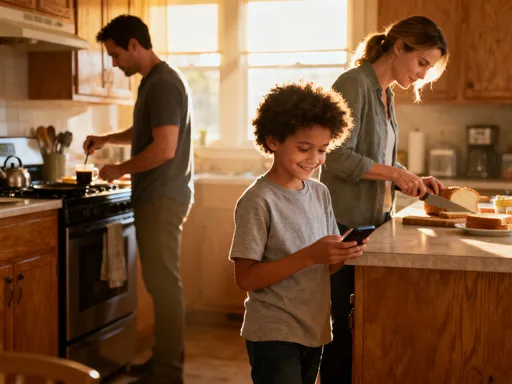
What surprised me most was how involved my family became. My teenage daughter helped me label each alarm in the app—“Kitchen,” “Hallway,” “Mom & Dad’s Room.” My son stood on a chair to test the bedroom alarm, grinning when it said, “All systems go!” Even my husband, who usually avoids home projects, checked the app daily for the first week. It wasn’t just an upgrade. It felt like we were giving our home a new layer of protection—like installing a silent guardian that watches over us while we sleep.
And the best part? No more guessing. The app shows the battery level for each alarm, so I know when to replace them before they start chirping. It sends monthly reminders to test them. I can silence a nuisance alarm from my phone—no more climbing on chairs in my socks. It’s the little things that make life easier, and this system delivers them all. I didn’t realize how much mental space I was spending on worry until that worry lifted.
Real-Life Moments That Proved Their Worth
Two months after installation, I was at the grocery store, pushing a cart down the cereal aisle, when my phone buzzed. I pulled it out and saw the alert: “Smoke detected—kitchen level.” My heart jumped. I called my husband immediately. He was home, working from his office upstairs. He hadn’t smelled anything, but he went to check. Turns out, a pot of soup had boiled over, the flame had caught the edge of the pan, and smoke was filling the kitchen. He turned off the stove, opened the windows, and the alarm stopped after a few minutes.
There was no fire. No damage. Just a close call. But that alert gave us something priceless—time. Time to respond before smoke spread. Time to act before it became dangerous. If we’d been out for the evening, the alarm would have kept sounding, and the app would have sent follow-up alerts. Some systems can even call a monitoring service if no one acknowledges the alarm within a few minutes. That level of protection isn’t just smart. It’s essential.
Another time, I was driving my daughter to dance class when I got a low-battery alert for the basement alarm. I made a note to replace it that evening. Simple, right? But think about it—without the app, I might not have noticed until it started chirping in the middle of the night. Or worse, I might have ignored it, assuming it was fine. With smart alarms, you’re not waiting for a problem to announce itself. You’re staying ahead of it.
And then there was the night we had guests over. We were grilling outside, and smoke drifted through the open kitchen window. The alarm went off—but instead of a loud, jarring siren, it gave a short warning beep and sent a message: “Smoke detected—ventilate area.” I closed the window, turned on the fan, and the alert cleared. Our guests didn’t even flinch. No panic. No embarrassment. Just a quick fix. That’s the kind of calm control I didn’t know I needed.
Building a Safer Routine—Together
One of the most unexpected benefits of switching to smart smoke alarms has been how it brought our family closer to safety—not as a scary topic, but as a shared habit. Before, fire safety felt like a chore. We’d test the alarms once a year, if that. Now, it’s part of our rhythm. Every Sunday night, while I’m folding laundry, I open the app and check the status of all alarms. Green lights across the board? We’re good. Monthly, we do a full test—just like brushing our teeth or changing the sheets. It’s not dramatic. It’s just part of taking care of our home.
The kids even know what the alerts mean. My daughter will say, “Mom, did you get the low-battery notice?” My son asks if he can press the test button. We talk about what to do if an alarm goes off—stay low, get out, stay out. It’s not fear-based. It’s empowerment. They feel involved, informed, and in control. And that makes all the difference.
We’ve also started using the app’s history feature to see past alerts. It shows us patterns—like how often the kitchen alarm goes off during busy mornings, or how steam builds up in the bathroom on cold days. We’ve adjusted our habits: using lids on pots, turning on exhaust fans, closing doors while cooking. The alarms aren’t just warning us—they’re teaching us. And that’s how real safety grows: not from fear, but from awareness.
I’ve shared this with my sister, my best friend, even my neighbor. Not because I’m trying to sell anything, but because I wish someone had told me sooner. So many of us are living with outdated systems, ignoring the chirps, hoping for the best. But hope isn’t a strategy. This small change—installing smart alarms—has given us something we can’t put a price on: peace of mind.
Why This Isn’t Just About Fire—It’s About Living Freely
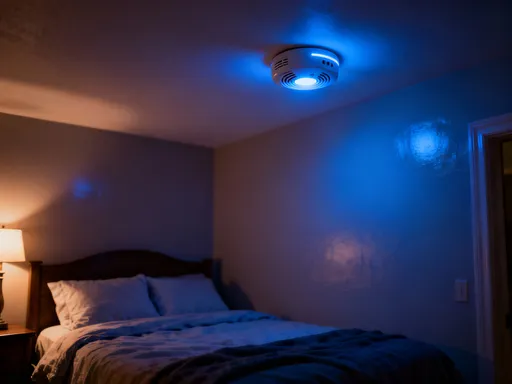
At the end of the day, this isn’t just about preventing fires. It’s about what happens when you stop worrying. It’s about lying in bed at night, hearing only the sound of your child’s breathing, and knowing you’re protected. It’s about going on vacation and not calling your neighbor every other day to check the house. It’s about living your life—fully, freely, without that quiet hum of anxiety in the background.
Smart smoke alarms didn’t just upgrade our home’s safety. They upgraded our peace. They gave us confidence. They turned a source of stress into a source of strength. And honestly, they made me feel like a better parent. Not because I bought a gadget, but because I took action. I paid attention. I made a change that matters.
I won’t pretend it’s a magic solution. No technology can replace common sense, fire extinguishers, or an escape plan. But when combined with good habits, smart alarms are a powerful ally. They’re like a quiet partner in the background, always watching, always ready. And for someone like me—a busy mom, a wife, a homeowner who wants to do right by her family—having that partner makes all the difference.
If you’re reading this and thinking, “I should really check my alarms,” don’t just check them. rethink them. Consider what real safety looks like for your family. It’s not about fear. It’s about freedom. It’s about knowing that even when you’re not looking, your home is looking out for you. And that, my friend, is a kind of peace worth having.