It’s Not Just Beeping: How Smart Smoke Alarms Bring Real Peace at Home
You know that sudden, heart-jumping beep in the middle of the night—no fire, just a faulty alarm. Frustrating, right? I used to dread mine, ignoring warnings until one day, I realized it wasn’t about the noise—it was about safety. After installing a smart smoke alarm, everything changed. No more false alarms, no more climbing on chairs to check batteries. Just quiet confidence. This isn’t just tech—it’s peace of mind, finally within reach.
The Night That Changed Everything
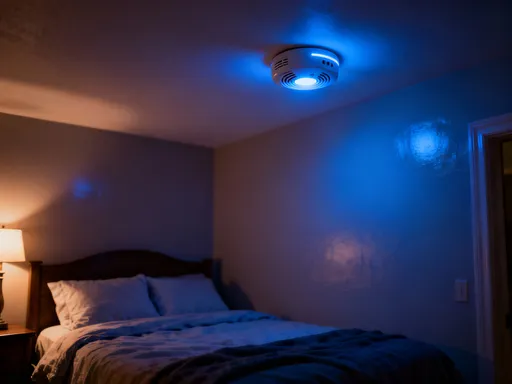
It was 2:17 a.m. when the beeping started. Not a soft chirp—no, this was the full, ear-splitting siren that makes your dog bark, your kids cry, and your heart feel like it’s going to jump out of your chest. I grabbed my robe, rushed down the hall, and waved a towel at the ceiling like I’d seen someone do on a home safety video years ago. Nothing worked. My husband finally pulled out a chair, climbed up, and removed the battery. Silence. Relief. But also anger. Because there was no smoke. No fire. No danger at all—just a sensor that had decided to panic on its own.
We stood there in our pajamas, breathing hard, trying to calm the kids. That’s when it hit me: this alarm wasn’t protecting us. It was terrifying us. And worse, because it had cried wolf so many times, I wasn’t even sure I’d react quickly the next time it went off. What if the real danger came, and I hesitated? What if I assumed it was just another false alarm? That night wasn’t just about noise. It was about trust. And I realized I didn’t trust my own home to warn me properly.
For years, I thought smoke alarms were one of those things you just installed and forgot—until they annoyed you. But that night, I saw them differently. They’re not just little plastic boxes on the ceiling. They’re supposed to be our first line of defense. So why did mine feel more like a nuisance than a guardian? That question led me to look into smart smoke alarms. And honestly, it was one of the most calming decisions I’ve ever made for my family.
Why Old Alarms Fall Short (and Stress Us Out)
Let’s be real: traditional smoke alarms have one job, and they don’t always do it well. Yes, they can detect smoke. But they also detect toast. They detect steam from a hot shower. They detect dust floating through the air on a windy day. And when they go off, it’s all or nothing—full siren, no warning, no explanation. You’re left guessing: is this real, or is it just my morning bagel?
And then there’s the chirping. That one low-battery beep in the middle of the night. You know the sound. It’s like a tiny, persistent ghost that won’t let you sleep. You stand on a wobbly chair, wave your arms, try to silence it—only to realize the battery is stuck or the unit is mounted too tight. By the time you fix it, you’re wide awake, annoyed, and already dreading the next time.
But the real problem isn’t just the noise. It’s the uncertainty. With a regular alarm, you have no idea what’s happening unless you’re home and awake. If you’re at work, on vacation, or even just in the basement, you’re blind. You can’t check it. You can’t silence it. You can’t know if it’s working at all. And that lack of control? It eats away at you. I started noticing how much I worried—especially when I left the house. Did I leave the stove on? Is the pilot light acting up? Is the alarm even functional?
Over time, those little moments of stress add up. You stop trusting the system meant to protect you. You ignore the beeps because you assume they’re false. You delay replacing batteries because it’s such a hassle. And that’s when safety starts to slip. It’s not because we don’t care—it’s because the tools we’ve been given aren’t designed for real life. They’re outdated. They’re frustrating. And they make us feel less safe, not more.
Meet the Upgrade: Smart Alarms That Work for Real Life
So what’s the alternative? A smart smoke alarm. And before you roll your eyes and think, “Here we go with another gadget,” let me say this: this isn’t about tech for tech’s sake. It’s about safety that actually works with your life, not against it. A smart smoke alarm does everything a regular one does—but better. And it adds things you didn’t even know you needed.
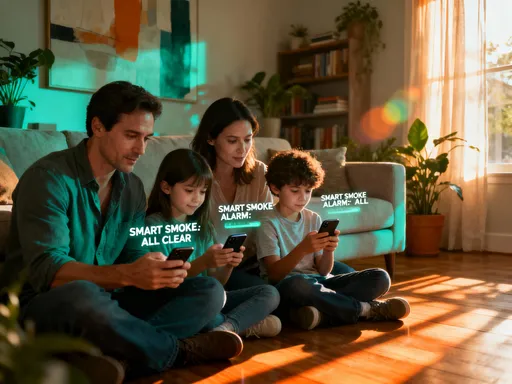
Here’s how it works: the alarm connects to your home Wi-Fi and links to an app on your phone. That means when it detects smoke—or even just a risky level of carbon monoxide—it doesn’t just scream. It sends you a quiet alert. You’ll get a notification that says, “Smoke detected in the kitchen,” or “Low battery in hallway alarm.” No panic. No 2 a.m. chaos. Just information.
And here’s the best part: you can check it from anywhere. If you’re at the grocery store and wonder if you left the oven on, you can open the app and see if the alarm has gone off. If your teenager is home alone and burns popcorn, you can silence the alarm from your phone—no need to drive back or stress them out. If you’re on vacation and the heater kicks on, you’ll know immediately if something’s wrong.
These alarms also self-test. Every week, they run a quick internal check and let you know if everything’s working. No more guessing. No more climbing on furniture to press the test button. And if something *is* wrong—a dead battery, a connectivity issue—you’ll get a message before it becomes a crisis. That’s the kind of reliability that lets you breathe easier.
Plus, many models come with features that make life simpler. Some can speak alerts—so instead of a siren, you hear, “Fire in the kitchen,” which helps everyone respond faster. Others integrate with smart home systems, so your lights can flash red during an alarm, or your thermostat can shut off the furnace to prevent smoke from spreading. It’s not sci-fi. It’s thoughtful design that puts your family’s safety first.
Step-by-Step: Installing Your Smart Alarm with Zero Stress
Now, I know what you’re thinking: “This sounds great, but I’m not an electrician. I can barely change a lightbulb.” I felt the same way. But here’s the truth: installing a smart smoke alarm is easier than you think. Most models are designed for DIY setup, and the whole process takes less than 30 minutes. Let me walk you through it—just like I’d explain it to my best friend over coffee.
First, pick your model. Look for one that’s compatible with your home’s Wi-Fi and has good reviews for ease of use. You don’t need the most expensive one—just one that does the basics well: smoke and carbon monoxide detection, phone alerts, and self-testing. Brands like Nest, Ring, and Honeywell make reliable options, but check what’s available in your region.
Next, check your Wi-Fi signal near the ceiling. These alarms need a strong connection, so test it before you start. If your signal is weak, consider a Wi-Fi extender. Then, turn off the power to the area if you’re replacing a hardwired alarm—safety first. For battery-only models, you can skip this step.
Remove your old alarm. Most twist off or unclip easily. Take a photo of the wiring if you’re nervous—this helps when you reconnect. Then, attach the new base plate to the ceiling. Use a pencil to mark the screw holes, drill if needed, and secure it with the included hardware. Make sure it’s tight and level.
Now, connect the wires (if applicable) and snap the alarm into place. Open the app on your phone, follow the setup guide, and connect the alarm to your Wi-Fi. The app will walk you through each step—naming the alarm, testing the connection, and confirming it’s working. Do a test alert to make sure your phone gets the notification. That’s it. You’ve just made your home safer.
Pro tip: do this with a partner. Have someone hold the ladder or help with the wiring. And don’t rush. Take breaks. This isn’t a race—it’s an investment in your family’s peace of mind. When you’re done, celebrate. You did something important. And no, you don’t need a degree in engineering to feel proud.
Making It Work for Your Household
Once your smart alarm is up and running, the next step is making it work for everyone in your home. Because safety isn’t just about the device—it’s about how your family uses it. The good news? These alarms make it easy to share control and stay connected.
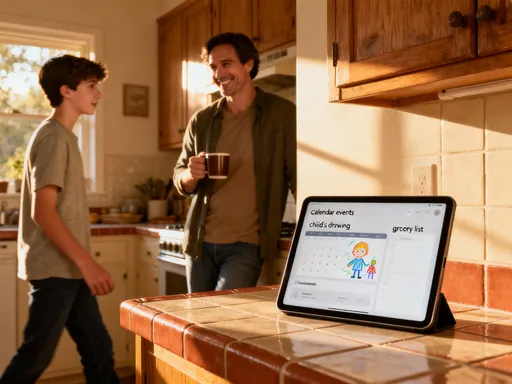
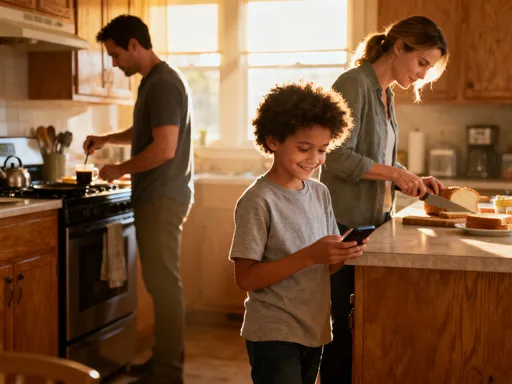
Most apps let you add family members. So you can invite your spouse, an older child, or even a parent who helps with the kids. Everyone gets the same alerts. That means if you’re at work and your partner is home, they’ll know if something happens. If you’re traveling and your teen is babysitting, you’ll both be informed. It’s like having extra eyes on the house, even when you’re not there.
And for kids? You can teach them what the new alerts mean without scaring them. Instead of a terrifying siren, many smart alarms start with a gentle voice warning: “Smoke detected. Please check the kitchen.” This gives everyone time to react calmly. You can practice what to do—like leaving the house and meeting at the mailbox—without panic.
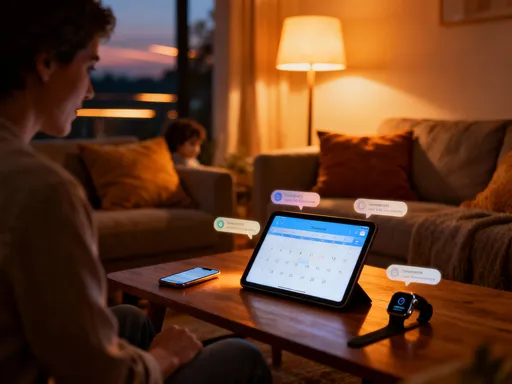
Another game-changer: the “hush” button on your phone. Ever burn dinner and then have to stand under the alarm, waving a towel for five minutes? With a smart alarm, you can silence it from your phone, your tablet, even your smartwatch. No ladder. No drama. Just a quick tap, and the alert stops—while the alarm keeps monitoring in the background.
You can also set up custom notifications. For example, if you’re a light sleeper, you can turn off sound alerts at night but keep the phone notifications on. Or if you have elderly parents visiting, you can enable louder chimes or flashing lights. These small tweaks make the system fit your life, not the other way around.
Small Tech, Big Emotional Relief
Here’s what no one tells you about smart smoke alarms: the biggest benefit isn’t the tech. It’s the calm. It’s going to bed without wondering if the alarm will wake you for no reason. It’s leaving the house without that nagging voice in your head asking, “Did I check the stove?” It’s being on vacation and actually relaxing, because you know you’ll be alerted if anything goes wrong.
I’ve noticed changes I didn’t expect. I sleep better. I’m less anxious when I travel. I feel more in control as a mom and a homeowner. And when the alarm *did* go off recently—this time for real smoke from an overheated pan—I didn’t panic. I got the alert on my phone while I was in the next room. I walked over, turned off the stove, and used the app to silence the alarm. No chaos. No fear. Just a quick fix.
That’s the power of this upgrade. It doesn’t eliminate risks—that’s impossible. But it gives you information, control, and time. And in a world that often feels overwhelming, that’s priceless. You’re not just protecting your home from fire. You’re protecting your peace of mind. You’re giving yourself the gift of not having to worry about the things you can’t see.
And let’s be honest: as women, as mothers, as caregivers, we carry so much mental load. We remember birthdays, doctor appointments, school forms, and grocery lists. We don’t need one more thing to stress about. A smart smoke alarm takes one item off that list. It says, “I’ve got this.” And that small shift? It changes everything.
A Safer, Smarter Home Starts Here
Looking back, I can’t believe I waited so long to upgrade. That one small change—a smarter alarm—has brought more comfort, connection, and confidence to my home than I ever expected. It’s not flashy. It doesn’t win design awards. But every day, it works quietly, reliably, without asking for anything in return.
This isn’t about following trends or filling your house with gadgets. It’s about choosing tools that support your life, not complicate it. It’s about knowing your family is safer, even when you’re not in the same room. It’s about replacing fear with trust, and chaos with calm.
If you’ve ever ignored a beeping alarm, worried about your home while you’re away, or felt helpless during a false alarm, I want you to know: there’s a better way. You don’t have to live with outdated systems that stress you out. You don’t have to choose between safety and sanity. A smart smoke alarm offers both.
So take the step. Do it for your peace of mind. Do it for your family’s safety. Do it because you deserve to feel secure in your own home. This isn’t just about preventing fires. It’s about creating a home that looks after you—quietly, reliably, every single day. And honestly? That’s the kind of tech I can get behind.