I kept saying 'I’ll deal with it later' – How a Simple App Finally Fixed My Bill Chaos
We’ve all been there—staring at a pile of envelopes, dreading the math, promising ourselves we’ll get organized *next* month. I said “I’ll deal with it later” for years, until one missed payment sparked a late fee that felt like a slap. Sound familiar? That moment pushed me to try something simple, almost silly: a bill-tracking app. What changed wasn’t just my bank account—it was my peace of mind. This is the real story of how technology quietly transformed a stressful habit into calm control.
The Breaking Point: When "Later" Finally Wasn’t an Option
I remember exactly where I was when it happened—standing in my kitchen, coffee in one hand, phone in the other, scrolling through my bank app like I often do on Sunday mornings. That’s when I saw it: a $39.50 late fee on my electricity bill. My stomach dropped. Not because I couldn’t afford it—though every dollar counts—but because I knew I had set a reminder. Or at least, I thought I had. The truth? I’d seen the bill come in, tucked it beside the fruit bowl with the others, and told myself, "I’ll deal with it later." Later never came. And this wasn’t the first time.
That single fee became a breaking point. It wasn’t just the money—it was the weight of knowing I’d failed myself again. I wasn’t careless, and I wasn’t irresponsible. I cared deeply about providing for my family and keeping our home running smoothly. But somewhere between school pickups, grocery runs, and work deadlines, managing bills had become this invisible burden I carried like a backpack full of rocks. I’d open an envelope, glance at the amount, feel a tiny knot in my chest, and shove it back into the pile. Each one was a tiny promise I hadn’t kept. And the longer I waited, the heavier it felt.
What I didn’t realize then was that I wasn’t alone. So many women I talk to—moms, partners, caregivers—carry this same quiet stress. It’s not about being bad with money. It’s about being human. We’re juggling so much that the act of paying a bill doesn’t just feel like a task—it feels like another decision in a day full of them. And when decisions pile up, even small ones can feel overwhelming. That late fee wasn’t a failure of character. It was a signal that my system—relying on memory, sticky notes, and good intentions—wasn’t working anymore.
Why We Lie to Ourselves: The Psychology Behind "I’ll Do It Tomorrow"
We all say it: "I’ll do it tomorrow." But why? Why do we keep pushing off something we know we need to do? The answer isn’t laziness—it’s neuroscience. Our brains are wired to avoid discomfort. And for many of us, opening a bill isn’t just about numbers. It’s tied to worry. What if it’s higher than expected? What if I forgot about a subscription? What if I’m not doing enough? That little envelope holds big emotions.
There’s also something called "decision fatigue." By the time evening rolls around, we’ve already made hundreds of choices: what to pack for lunch, how to handle a child’s meltdown, whether to reply to that work email. Adding "review all bills and make payments" to the list feels like asking for one more drop to spill the bucket. So we delay. We tell ourselves we’ll do it when we have "more energy" or "a clear moment." But those moments rarely come.
Another sneaky culprit? The illusion of time. We think, "I have two weeks until it’s due," so we push it aside. But two weeks filled with life don’t leave much room for financial admin. And because the task is vague—"pay bills"—it lacks urgency. Compare that to "make school lunch" or "attend parent-teacher conference," which have clear consequences if missed. Bills feel abstract until the due date slaps us in the face.
And let’s talk about communication—especially in households with partners. How many times have you asked, "Did you pay the internet bill?" only to hear, "I thought you did." That misalignment isn’t about blame. It’s about systems. Without a shared, clear view of what’s due and when, assumptions take over. Technology doesn’t fix trust issues, but it can create a single source of truth. It removes the "I thought you..." and replaces it with "Let’s check together."
Finding the Right Tool: Not Just Another App, But a Real Fix
After that late fee incident, I knew I needed help. I downloaded every finance app I could find—budget trackers, savings planners, expense loggers. Some were beautiful, with colorful charts and smart insights. But most made me feel worse. They asked for too much. I’d spend 20 minutes categorizing a grocery receipt, only to realize I hadn’t even paid my water bill. The irony? The apps meant to save me time were stealing it.
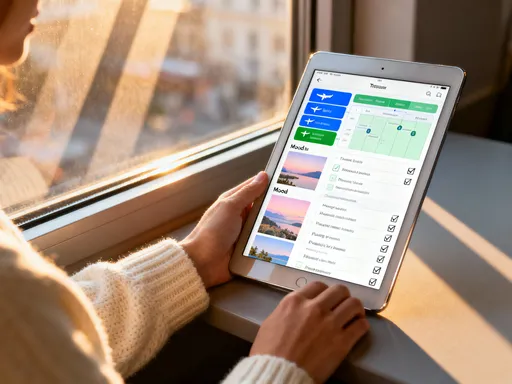
Then I found one that was different. It wasn’t flashy. It didn’t promise to make me rich. It just showed me my bills—clearly, calmly, all in one place. No jargon. No complicated setup. I linked my accounts, and within minutes, it pulled in my electricity, internet, insurance, and even my streaming subscriptions. Each bill appeared as a simple card with the amount, due date, and a color code: green for upcoming, yellow for soon, red for due in 48 hours.
The real magic was in the design. It didn’t ask me to do more. It asked me to do less. Instead of thinking, "I need to remember to check my bills," I now had a dashboard that did the remembering for me. It was like having a calm, organized friend quietly saying, "Hey, your water bill is due Thursday. Want to pay it now?" No pressure. Just clarity.
And because it auto-updated each month, I didn’t have to re-enter anything. No more guessing if I’d paid or not. No more double payments. Just one screen, one truth. For the first time, I didn’t feel behind. I felt caught up—before I’d even taken action. That shift in mindset was everything.
How It Changed My Daily Thinking—Not Just My Calendar
The app didn’t just change how I paid bills. It changed how I thought about them. Before, bills were these scary, isolated events I avoided until forced to face them. Now, they were part of a bigger picture. I could see patterns. I noticed my electricity bill jumped every July. Instead of just paying it, I started asking why. Was the AC running too much? Were we leaving lights on? That awareness led to small changes—closing blinds during the day, using fans more—and next summer, the bill was 12% lower.
But the biggest change was in my relationship with my partner. We used to have little financial friction—nothing major, but those tiny moments of tension. "Did you pay the trash service?" "I think so, but I’m not sure." Now, we check the app together every Sunday night. It’s become part of our routine, like planning meals or reviewing the week ahead. We sit on the couch, phones in hand, and go through each bill. "Looks like internet is due Tuesday—want to split it?" "Yep, I’ll handle it." Simple. Clear. No assumptions.
And because everything is visible, we’ve started having better conversations about money. Not arguments. Not stress. Just honest talks. "Do we still use that gym membership?" "Not really. Let’s cancel it." "Our phone plan is expensive—should we look for a cheaper option?" The app gave us data, not drama. It turned financial silence into shared understanding. And that? That’s priceless.
Small Wins That Added Up: From Stress Reduction to Real Savings
At first, I measured success in late fees avoided. And yes—zero late fees in the past 14 months feels amazing. But the real wins were quieter, deeper. I started sleeping better. I wasn’t waking up with that low hum of anxiety, wondering if I’d missed something. My mind felt lighter, like I’d taken off a backpack I hadn’t even realized I was wearing.
That mental space freed up energy for other things. I started cooking more because I wasn’t mentally drained by the end of the day. I had more patience with my kids. I even picked up my old hobby—watercolor painting—because I wasn’t spending Sunday evenings scrambling to pay bills.
And yes, we saved money. Canceling unused subscriptions freed up $47 a month. Negotiating a better internet rate—armed with our usage history—saved another $25. But beyond the dollars, we gained confidence. We weren’t just reacting to bills. We were managing them. We were in control.
One of my favorite moments? Last winter, our heating bill spiked. Instead of panicking, I opened the app, compared it to last year, and saw a 28% increase. That data gave me power. I called the provider, asked for a review, and they credited us $63 for a billing error. Without the app, I’d have paid it blindly. With it, I became an advocate for my household. That’s the kind of win that changes how you see yourself—not as someone overwhelmed, but as someone capable.
Making It Work for You: A Simple Setup Guide (No Tech Skills Needed)
If you’re thinking, "This sounds great, but I’m not tech-savvy," I hear you. I felt the same. But setting this up took me less than 15 minutes. Here’s how you can do it too—step by step.
First, choose an app. Look for one that focuses on bill tracking, not complex budgeting. Search your app store for "bill tracker" or "payment reminder." Read reviews. Pick one with a clean, simple design. You don’t need every feature—just clarity and reliability.
Next, create an account. Use your email and a strong password. Many apps offer two-factor authentication for extra security—consider enabling it. Then, start linking your bills. You can do this two ways: connect your bank account (so bills auto-import) or add them manually. If you’re nervous about linking, start with one or two. You’re in control.
Once your bills are in, set up alerts. Choose how far in advance you want to be reminded—7 days, 3 days, 1 day. I like 3 days for most, 7 for bigger ones like insurance. Turn on push notifications so you get a gentle nudge on your phone.
Finally, share access if you live with a partner. Most apps let you invite a family member to view or manage bills. We use a shared login on our home tablet, so either of us can check anytime. We even say things like, "Let’s check the bill dashboard together," which makes it feel like teamwork, not a chore.
And that’s it. No perfection needed. If you miss a payment, the app won’t scold you. It’ll just update and keep going. The goal isn’t to be flawless. It’s to be informed. To replace "I’ll deal with it later" with "I’ve got this."
Beyond Bills: How Clarity Transformed Other Parts of My Life
What surprised me most wasn’t the financial peace—it was how this one change rippled into other areas. Once I saw how a simple system could reduce stress in one part of my life, I started applying it everywhere. I created a shared family calendar for appointments and school events. I started using a meal-planning app so grocery shopping felt easier. I even set up reminders for personal goals—"call Mom," "read 10 pages," "stretch for 5 minutes."
Each system gave me back time and mental space. I stopped feeling like I was constantly forgetting things. Instead, I felt supported. The tools didn’t make me more disciplined—they made it easier to be the person I already wanted to be: organized, present, calm.
And that’s the real lesson here. Technology isn’t about chasing the latest gadget. It’s about finding simple solutions that align with how we actually live. It’s about designing a life that works for us—not one we have to struggle against. This bill-tracking app didn’t change who I am. It removed the friction that was keeping me from showing up as my best self.
So if you’re still saying "I’ll deal with it later," I want you to know: it’s not laziness. It’s not failure. It’s a sign that you’re doing too much with too little support. And that’s okay. You don’t have to do it all alone. A simple tool can carry the weight you’ve been holding. It can turn chaos into calm. It can give you back your peace—one bill, one breath, one "I’ve got this" moment at a time.